
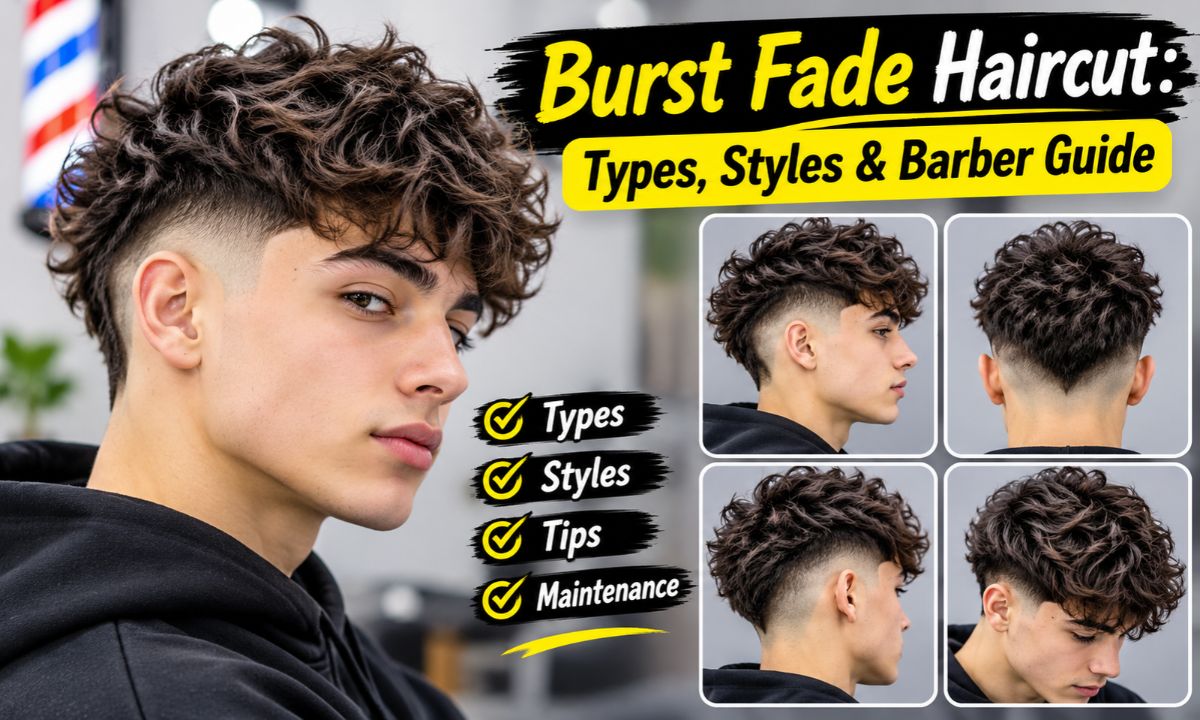
A burst fade curves around your ear and leaves the back long. It looks sharp. It also looks modern. Many men now ask for it, and barbers get the request every day. But the cut can be confusing. Height, closeness and top length all change the final look.
This guide, Burst Fade Haircut: Types, Styles & Barber Guide, makes it simple. You will learn what a burst fade is. You will see how low, mid and high versions differ. You will also find the best styles to show your barber. We cover who the cut suits, how to style it and how often to trim it. There is even a simple script to use in the chair. No guesswork. No awkward moments. Just a clean cut you like. Read on, pick your look and walk into the shop with confidence.
⚡ Quick Answer: What Is a Burst Fade Haircut?
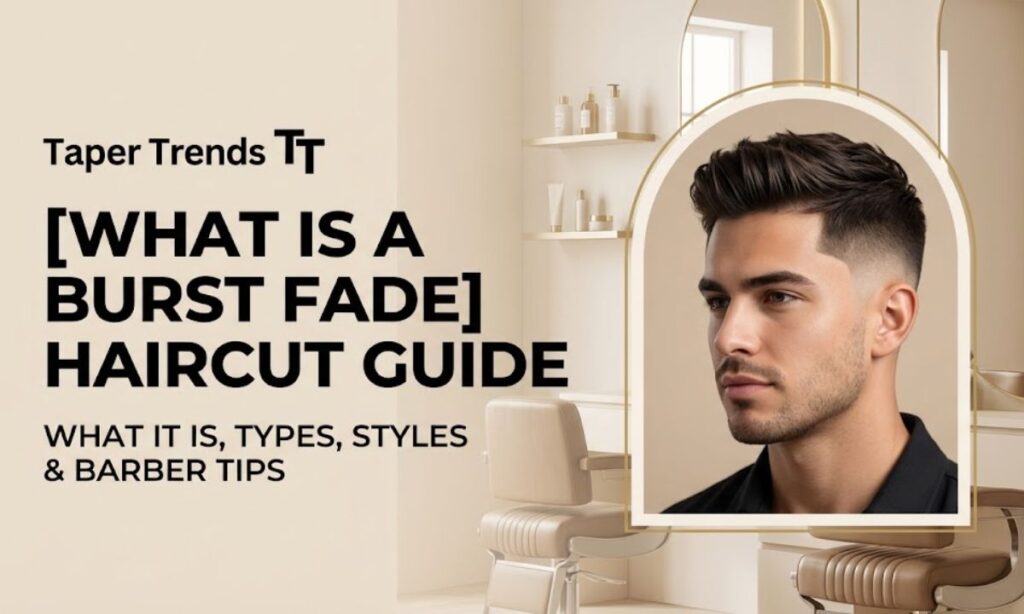
A burst fade is a fade that curves in a half circle around the ear and runs into the neckline. The shortest point sits right behind the ear. From there, the hair gets longer as the fade spreads outward.
That means the top and the back keep their length, while the area around the ear goes short. It looks like a small “burst” of skin or stubble against longer hair.
It’s a shape for the sides, not a full haircut. You still choose what happens on top. You’ll also hear it called a radial fade or a halo taper.
How does the burst shape work around the ear?
Picture a half-circle drawn behind and above your ear. Inside that arc, the barber blends the hair from very short up to longer. Outside it, the hair stays long.
The curve is what separates it from a regular fade. A standard fade runs in a straight line around the head. A burst follows the ear and then sweeps down toward the nape.
What hair stays longer in a burst fade?
Three areas keep their length:
- The top: you can style it however you like.
- The back: this is why the burst pairs so well with mullets.
- The upper sides: the hair above the arc stays longer, and the blend smooths the change.
Only the patch around the ear goes truly short.
👤 Who Does a Burst Fade Suit?
Almost anyone can wear it, but a few details decide how good it looks. Hair type, head shape and daily routine matter more than any one trend.
Which hair textures work with a burst fade?
- Straight hair: it gives a clean, crisp contrast. Fine hair shows the fade clearly, but it needs sharper upkeep.
- Wavy hair: the waves add natural movement on top, so styling is easy.
- Curly hair: curls stand out against the faded sides. This is one of the best combinations.
- Coily and Afro-textured hair: the burst adds shape and definition. It also pairs well with twists, a high-top or a sponge-twist finish.
You do need some length on top. Very short hair still works, but the contrast is less dramatic.
How do head shape, density and lifestyle affect the choice?
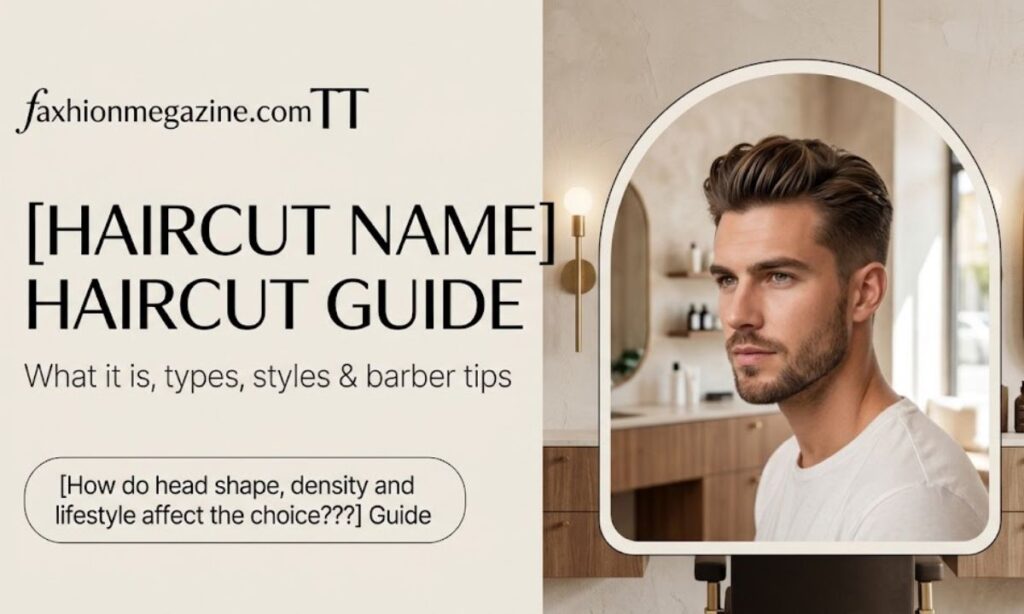
Face-shape charts get a lot of attention. Barbers often care more about three practical things:
Head shape:
the longer hair at the back adds fullness, so a flatter back of the head can benefit.
Hair density:
thick hair holds the shape well. Thin hair may show scalp through a very close fade.
Lifestyle:
if you hate frequent barber visits, choose a low burst with a guard blend instead of skin.
Round and wide faces often like the curve of a burst. Longer faces can keep it low so the cut doesn’t add height.
📏 Low vs Mid vs High Burst Fade: Which Should You Choose?
Height is the first decision your barber needs. It controls how bold the contrast looks and how soon you’ll need a trim.
| Type | Where the arc sits | Look | Upkeep |
| Low burst | Close to the ear and hairline | Soft, subtle | Lowest |
| Mid burst | Halfway up the side | Balanced, most popular | Medium |
| High burst | Toward the crown | Bold, high contrast | Highest |
What is a low burst fade?
A low burst fade keeps the arc tight around the ear and neckline. More hair stays on the sides, so the cut looks softer and more office-friendly.
It also grows out more gracefully. If it’s your first burst, start here.
What is a mid burst fade?
The mid burst sits about halfway up the side of the head. It’s the safe middle ground: visible contrast without going extreme.
Most barbers will assume this height if you don’t say otherwise. That’s another reason to be specific.
What is a high burst fade?
A high burst pushes the arc up toward the crown. The contrast is strong, and the longer top looks even more dramatic.
It needs the most upkeep. A blurry high fade shows up fast, so expect more frequent trims.
🔥 Best Burst Fade Styles to Show Your Barber
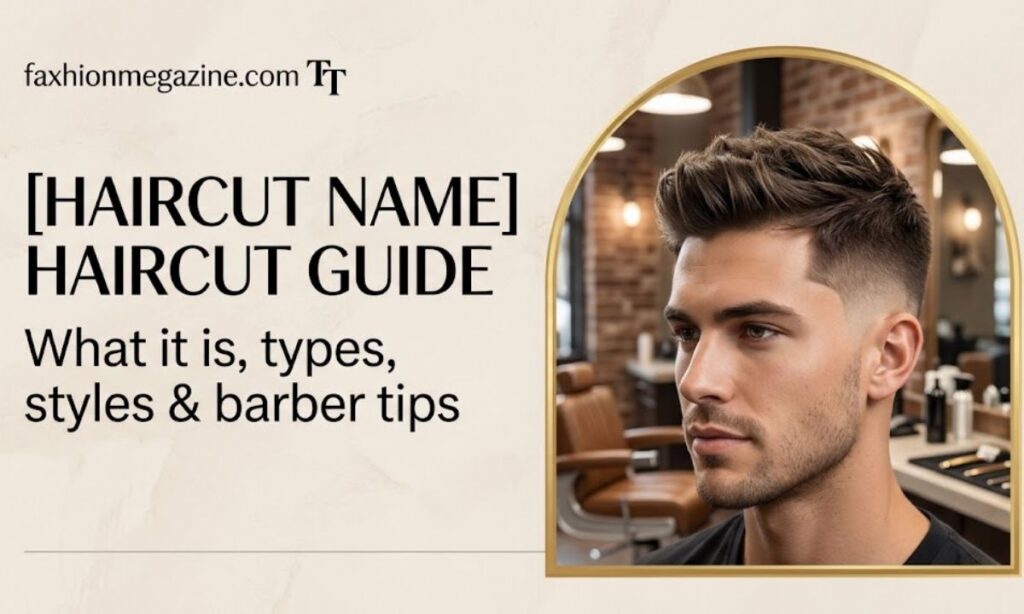
Thnk of the burst as the base. Now pick the top.
Burst fade mullet
This is the most famous pairing. The sides go short around the ear, and the back stays long. A burst gives the mullet a cleaner, more modern shape than a fully shaggy version.
Ask for the back length in inches so it doesn’t get cut away.
Burst fade mohawk or faux hawk
The faded sides push attention up to the longer center strip. A faux hawk keeps it softer and easier to wear to work. A full mohawk is louder and needs strong-hold product.
Curly or coily burst fade
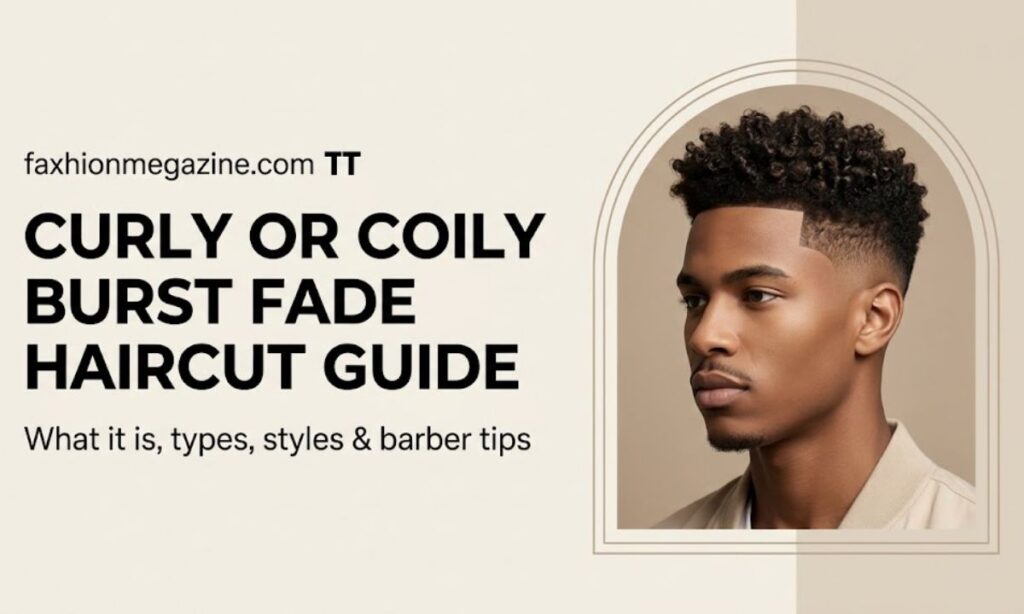
Curls on top and a tight fade around the ear look sharp together. Keep enough length for the curls to form. A low burst keeps the style tidy, while a mid or high burst makes the curls the star.
Short or textured-top burst fade
Crops, French crops and textured fringes all work here. This is the practical choice for guys who want a low-effort routine. A little paste or clay on dry hair is often enough.
Fine hair benefits from a lighter matte product so the texture doesn’t look greasy.
Straight or wavy burst fade
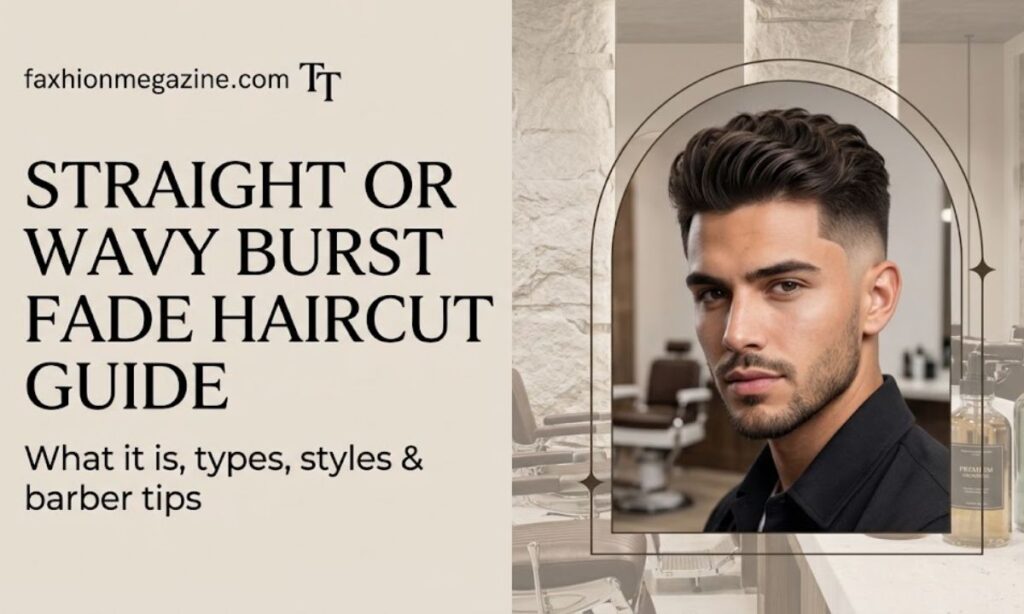
Straight hair can go slicked back, side-swept or into a quiff. Wavy hair works well in a loose, messy style with sea salt spray. Both show the fade clearly, so a clean blend matters.
🆚 Burst Fade vs Drop Fade, Taper Fade and Skin Fade
These terms get mixed up. Some describe the shape of the cut. Others describe how short it goes. That’s why you can combine them.
| Cut | What it describes | Where it goes short | Back/neck |
| Burst fade | A curved shape around the ear | Behind the ear | Stays long |
| Drop fade | A line that dips behind the ear | Lower behind the ear | Follows the dip |
| Taper fade | A gradual blend | Sideburns and neckline | Usually short |
| Skin fade | How close the cut goes | Down to bare skin | Depends on style |
Burst fade vs drop fade
Both curve around the ear, but they look different behind it. A drop fade dips lower and looks more angular. A burst makes a rounder arc and leaves the back long.
Burst fade vs taper fade
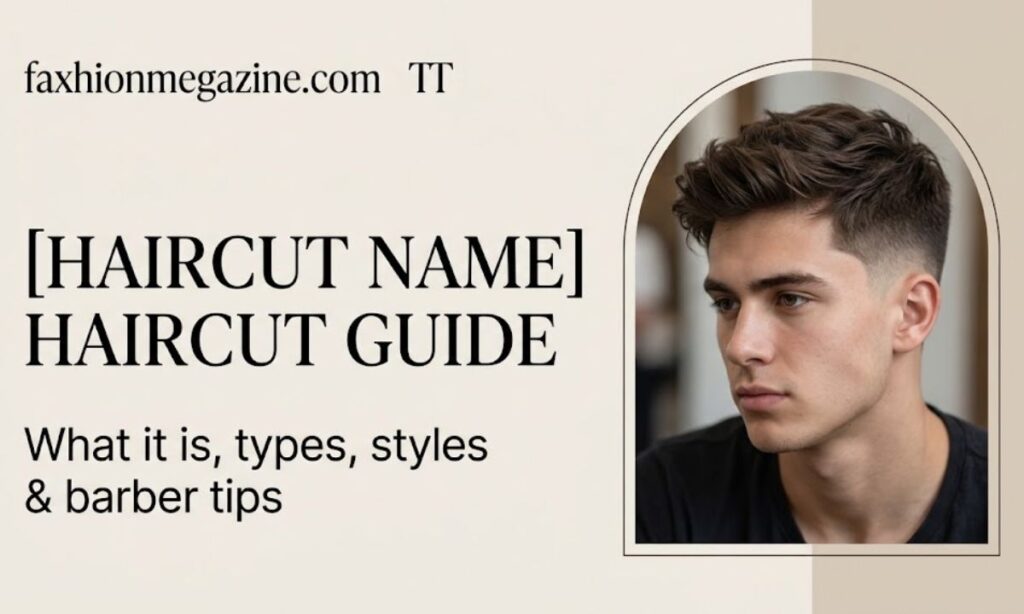
A taper is a gradual blend that’s usually subtle. A burst is a shape with a more visible curve. You can combine them as a burst taper: the same curved shape with a softer, guard-based finish.
Burst fade vs skin fade
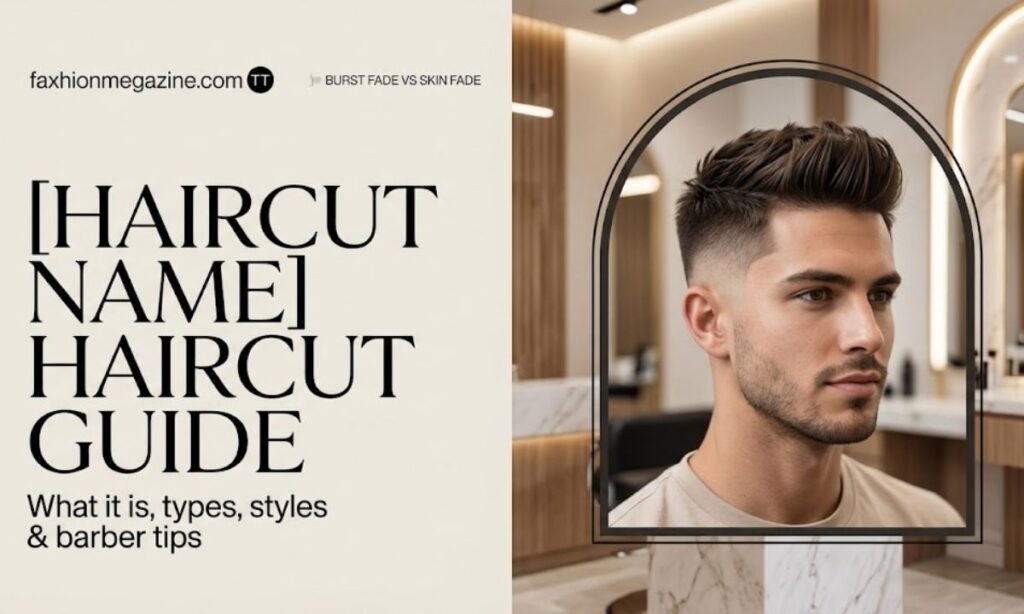
“Skin” tells the barber how close to cut. “Burst” tells them the shape. Ask for a burst skin fade if you want bare skin at the shortest point. Ask for a burst with a guard if you want a softer finish.
💬 How to Ask Your Barber for a Burst Fade
Saying “give me a burst fade” leaves too many choices open. A clear brief avoids guesswork.
Use a five-point barber brief
- Height: low, mid or high burst.
- Closeness: skin, or a guard number (for example, a 1 or 2).
- Top length: say it in inches, or show it with your fingers.
- Back length: say whether the nape stays long or gets tidied.
- Neckline and edges: rounded, squared or natural, and whether you want a lineup.
Example: “Mid burst fade, skin at the lowest point, three inches on top, keep the back long, natural neckline.”
What should your reference photo show?
Bring more than one photo. A burst is easy to see from the side and easy to lose from the front. A good set includes:
- A side view that shows the arc.
- A back view that shows the nape length.
- A top or front view that shows the styled length.
Pick photos with similar hair texture to yours. A burst on straight hair looks different on coily hair.
What are the most common miscommunications?
- Height confusion: “high” can mean different things to different barbers.
- Taking too much off the back: the barber may assume you want it cleaned up.
- Skin by default: many people want a softer guard blend.
- Mixing up burst and drop fades: point to the photo and say what you like.
🧴 How Do You Style a Burst Fade?
The sides are mostly done when you leave the chair. Your daily work is the top.
A simple routine:
- Start with damp hair.
- Apply a light prep product such as sea salt spray or mousse.
- Blow-dry upward or in your natural direction for lift.
- Finish with a product that fits your look.
Styling by hair texture and top style
| Hair / top style | Best product | Tip |
| Short textured crop | Matte paste or clay | Use a small amount, then rough it up |
| Fine straight hair | Texture powder or light paste | Avoid heavy gels |
| Wavy hair | Sea salt spray, cream | Scrunch and air-dry or diffuse |
| Curly hair | Curl cream, light gel | Apply on damp hair, don’t brush it dry |
| Coily hair | Leave-in cream, oil for shine | Keep it moisturized |
| Mullet or long back | Light cream | Comb the back lightly so it stays neat |
| Mohawk / faux hawk | Strong-hold wax or clay | Style upward from the front |
⏳ How Long Does a Burst Fade Last, and How Do You Maintain It?
Most burst fades look fresh for about two to three weeks. After that, the blend starts to blur. Hair grows roughly half an inch per month, so a cut taken to skin shows regrowth quickly.
Touch-up timing and grow-out
- Low burst: every three to four weeks.
- Mid burst: every three weeks.
- High burst or skin finish: every two to three weeks.
You don’t have to keep the sharp look forever. As it grows out, the top and back keep their length, so it’s easy to move into a longer cut. It’s a good starting point if you want to grow a mullet.
Burst Fade with a Beard: Does It Work?
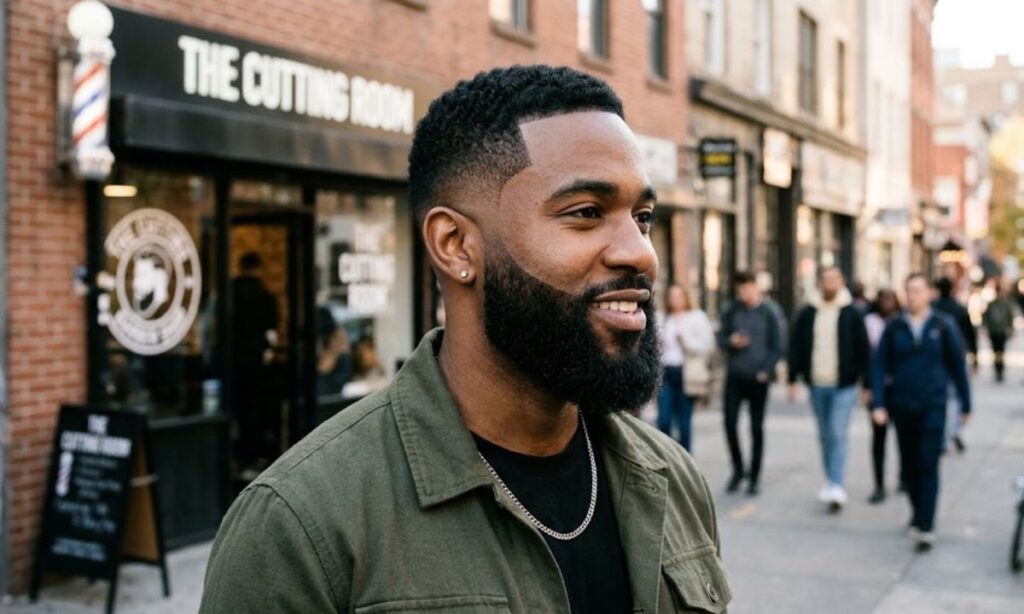
Yes, and it often looks better than a plain fade. The burst fade ends near the sideburn, so the beard can start there and blend into it.
A few ways to do it:
- Full beard: Ask the barber to blend the sideburn into the beard so there is no gap.
- Short stubble: A skin burst with stubble gives a sharp, clean look.
- Beard with a gap: Some people like a small gap between the fade and the beard. It looks bold but needs more upkeep.
Keep the beard line neat on the cheeks and neck. A messy beard can make even a good fade look unfinished.
Best Products for Styling a Burst Fade
You do not need many products. Pick based on the top style.
| Top style | Product | Finish |
| Short crop | Matte paste | Natural, no shine |
| Quiff or slick back | Pomade or wax | Shine, strong hold |
| Mohawk or faux hawk | Clay or strong wax | Firm, textured |
| Wavy hair | Sea salt spray or light cream | Soft, loose |
| Curly hair | Curl cream or gel | Defined, less frizz |
| Coily hair | Leave-in conditioner and custard | Moisture, definition |
| Mullet | Light cream or texture spray | Soft, movement |
Start with a pea-sized amount. Warm it in your hands before applying. Too much product makes hair look heavy and greasy.
Can You Do a Burst Fade at Home?
You can try, but it is one of the harder fades to do alone. You need to see the curve around your ears and the back of your head, and that is difficult without help.
If you still want to try:
- Use good clippers with several guard sizes.
- Start with a longer guard than you think you need. You can always cut shorter.
- Work in small sections and blend between guard sizes.
- Use two mirrors, or ask a friend to check the back.
- Do not cut the top until the sides look right.
For a first burst fade, it is safer to see a barber. You can then keep it up at home by cleaning the neckline between visits.
Is a Burst Fade Okay for Work, School or Formal Events?
It depends on how bold you go.
- Low burst with a short guard: Fine for most offices and schools.
- Mid burst with a side part: Neat and professional.
- High skin burst with a mohawk: Stronger look. Check the dress code first.
For a formal event, a side part or slick back top makes the haircut look polished. For casual days, you can mess up the top with a bit of clay.
If you work in a conservative setting, ask your barber for a softer blend and a longer guard near the ear.
Common Burst Fade Mistakes to Avoid
- Going too high. If you are new to fades, start with a low or mid burst.
- Skipping the reference photo. The word “burst” means different things to different barbers.
- Cutting the top too short. The contrast works because the top has some length.
- Forgetting the back. Say clearly if you want the nape to stay long, tapered, or squared.
- Waiting too long between cuts. The shape blurs as hair grows, and the fade loses its clean look.
- Using heavy product on short sides. It can stick to the faded area and make it look dirty.
- Choosing a barber without checking their work. Look at their recent fade photos before you book.
Scalp and skin care for very close or skin bursts
Very short areas show everything: dryness, bumps, uneven skin tone. A few simple habits help:
- Moisturize the skin around the ear.
- Use sunscreen on exposed areas.
- Clean the area gently and don’t scrub.
- Watch for razor bumps and ingrown hairs, especially on tightly coiled hair.
If irritation keeps coming back, ask your barber to use a guard instead of a razor finish.
✅ Is a Burst Fade Right for You? Pros and Cons
Main benefits
- Looks modern without being hard to wear.
- Works with many hair types and top styles.
- Daily styling is limited to the top.
- Adds shape to a flatter back of the head.
- Easy to grow out into longer styles.
Trade-offs and edge cases
- Needs regular barber visits to stay sharp.
- A bad blend is obvious.
- Very short or thin hair reduces the contrast.
- Skin finishes can irritate sensitive skin.
- Some workplaces prefer a more conservative look. A low burst or taper usually fixes that.
If you want a cut that disappears quietly, this may not be it. If you want shape and contrast without a lot of daily effort, it’s a strong choice.
🔄 What Are the Best Alternatives to a Burst Fade?
If a burst isn’t quite right, one of these might be:
- Taper fade: subtler, with a more traditional finish.
- Drop fade: a similar curve with a more angular dip behind the ear.
- Low fade: a straight-line fade that starts low on the head.
- Skin fade: very close and clean, with a stronger contrast.
- Temple fade: short around the temples and a neat outline.
- Classic scissor cut: no fade at all, for the lowest maintenance.
Show your barber a photo of the closest match, and let them adjust it for your hair.
❓ Frequently Asked Questions
What is a burst fade haircut?
A burst fade is a fade that curves in a half circle around the ear. The sides go short, and the top and back stay longer.
How do I ask my barber for a burst fade?
Say the height (low, mid or high). Then say how close you want it (skin or a guard number) and how long to keep the top and back.
What is the difference between a burst fade and a taper fade?
A taper is a slow, gradual blend. A burst fade is a curved shape around the ear. You can mix both for a burst taper.
Is a burst fade the same as a mullet?
No. A burst fade is the cutting technique. A mullet is the full hairstyle. They look great together, though.
Does a burst fade work on curly hair?
Yes. Curls stand out nicely against the short sides. Just keep enough length on top.
How often should I get a burst fade touched up?
Every two to four weeks. High or skin bursts need touch-ups sooner.
Is a low, mid or high burst fade better?
Neither is better. Low is subtle and easy to maintain, mid is balanced, and high has the strongest contrast.
How do I style a burst fade at home?
Style only the top. Use a light prep product, blow-dry for lift, then finish with paste, clay or cream that suits your hair.
🏁 Final Thought
A burst fade is easy to love. It curves around the ear and keeps length on top and at the back. You can wear it with a mullet, a crop, curls or a faux hawk. It suits many hair types. Daily styling is simple too, because you only work on the top. Pick a height that fits your life. Low is subtle. Mid is balanced. High is bold.
Now you know the basics. Our Burst Fade Haircut: Types, Styles & Barber Guide gives you the full picture. Bring a few photos to your barber. Trust your barber, but guide them clearly. Say the height, the closeness and the length you want to keep. Small details make a big difference. Book a touch-up every two to four weeks. Do that, and the cut stays sharp. Go get the look you want.

Owen Blake is a fashion writer and style enthusiast contributing to Faxhion Megazine. With a focus on fashion trends, personal style, seasonal looks, and practical styling ideas, Owen creates clear, reader friendly content. His work combines trend awareness, careful research, and an interest in helping readers make confident, informed fashion choices.