
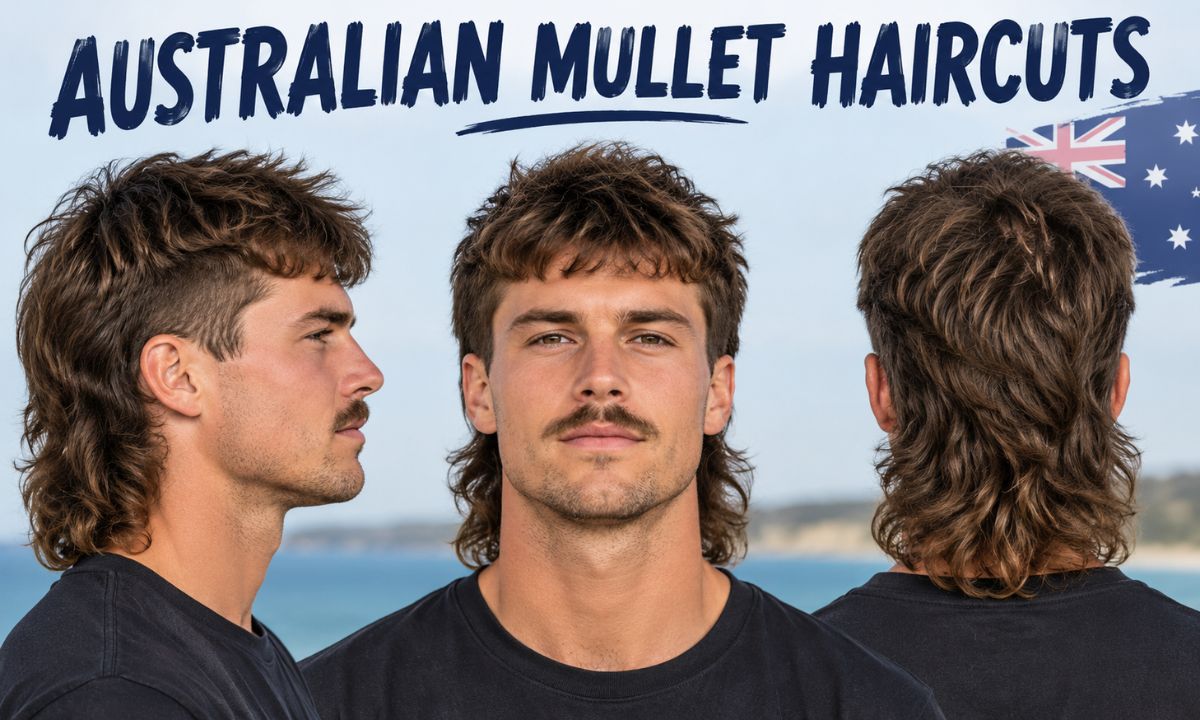
Australian mullets are back, and they look better than ever. This Australian mullet haircut is bold, fun, and easy to wear. It mixes short sides with long, messy length at the back.
In 2026, the trend is all about soft, natural shapes. People want cuts that feel real and relaxed. Think textured layers, loose waves, and a little bit of attitude.
Whether your hair is straight, wavy, or curly, there is a style for you. You can keep it clean or go wild with colour. Let’s explore the best ideas to try this year.
Why Is the Australian Mullet Haircut So Popular?
The Australian mullet keeps the “short on top, long at the back” idea but softens it. The result looks deliberate and stylish rather than dated. It also gives you room to experiment without a drastic change.
Key Benefits of an Australian Mullet
- Versatile: It works with fades, texture, curls, waves, or straight hair.
- Low-effort styling: Most versions look good with a bit of product and a quick blow dry.
- Personal: You choose how long the back is and how sharp the sides are.
- Great for growing out: The shape hides awkward in-between lengths.
- Gender-flexible: Men, women, and kids all wear it well.
How It Differs from a Classic Mullet
The classic 80s mullet has a very short, often flat top and a long, thin tail. The Australian mullet is rounder and blended. It uses layers, texture, and tapered sides so the transition looks smooth rather than abrupt.
| Feature | Classic Mullet | Australian Mullet |
| Top | Short, flat | Layered, textured |
| Sides | Short, often blunt | Tapered or faded |
| Back | Long, thin tail | Medium to long, shaped |
| Overall look | Retro, stark | Modern, blended |
Why Are Australian Mullet Haircuts So Popular Right Now?
Three things are driving it. Social media has made bold cuts easy to share. Sport and music culture, especially footy and surf scenes, brought the shape back. And people now want hair that shows personality without needing hours of styling.
Barbers also like it because it is highly customisable, which keeps clients coming back for fresh variations.
Does Lifestyle or Job Dress Code Matter?
Yes. If your workplace is conservative, choose a short or neatly faded version that can be tucked behind the ears or styled back. Creative jobs, hospitality, and trades usually allow bolder lengths.
Active lifestyles also matter. If you train or work outdoors, a shorter back is easier to manage with sweat and wind.
How to Choose the Right Australian Mullet
The best mullet suits your face shape and your natural hair texture. Get both right and the cut almost styles itself.
Face Shape
- Oval:
Almost any version works. Experiment freely.
- Round:
Add height on top and keep the sides tight to create length.
- Square:
Soft, textured layers balance a strong jawline.
- Heart:
A fringe and a medium back balance a wider forehead.
- Long or oblong:
Skip extra height. Go for fringe and side volume instead.
Hair Type
- Straight:
Needs texture and layering, or it can look flat.
- Wavy:
The easiest type to work with. Waves add natural movement.
- Curly:
Keep the sides tight and let the curls form the shape.
- Thick:
Ask for thinning or razor work to reduce bulk.
- Fine or thin:
Choose shorter layers and a lighter back to avoid a stringy tail.
25 Australian Mullet Haircuts
Classic Australian Mullet Haircuts
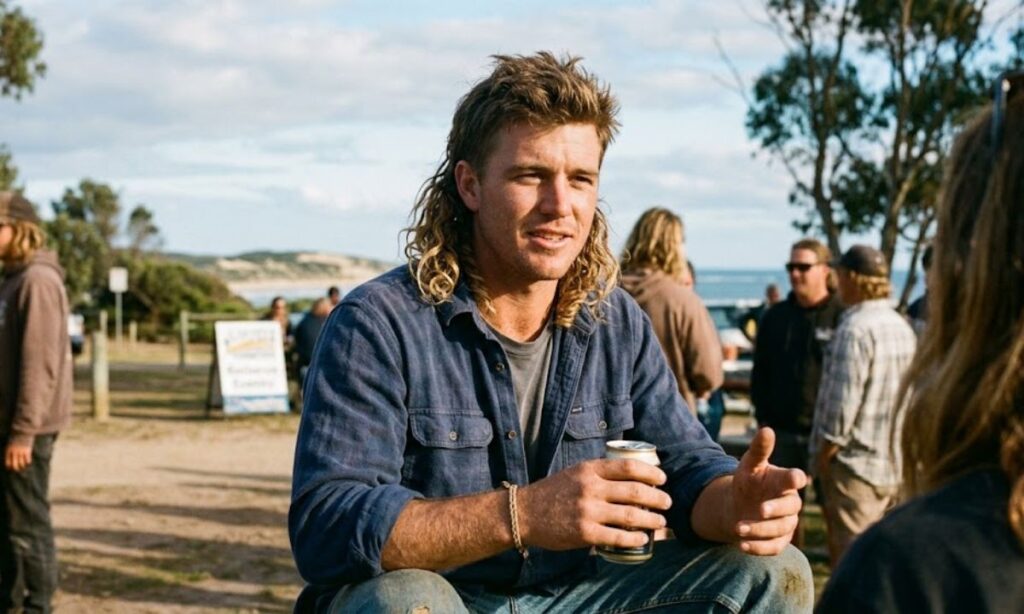
This is the foundation style. The top is layered and medium in length, the sides are tapered, and the back falls past the collar. It keeps the heritage look but with cleaner blending. It suits oval and square faces and works with most hair types. Add a light paste to define the layers and let the back sit naturally.
Modern Australian Mullet Haircuts
The modern version is sharper and more polished. Expect a faded side, sculpted top layers, and a controlled back length. It feels current rather than nostalgic. Barbers often add subtle texturing to remove weight. It is a good choice if you want the trend without going too wild, and it looks great with a matte finish product.

Taper Fade Australian Mullet
A taper fade gradually shortens the hair around the ears and neckline while leaving some length. This keeps the look clean without a harsh skin-level edge. It is one of the safest options for office settings. Pair it with a textured top and a medium back. It grows out gracefully, so you can stretch the time between visits.
Burst Fade Australian Mullet
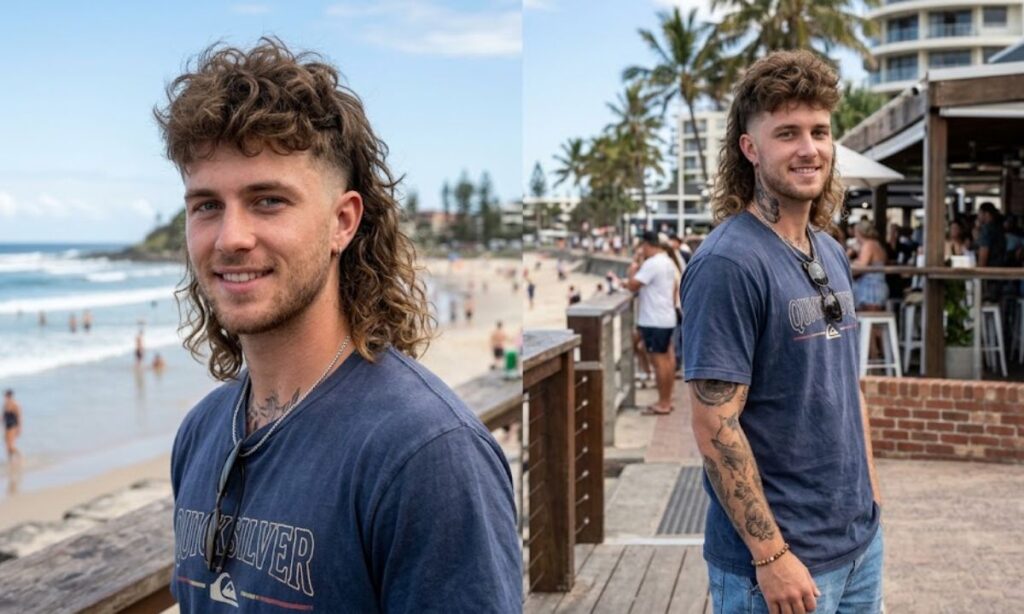
The burst fade curves around the ear, fading outward in a semicircle while the back stays long. This creates striking contrast with the mullet tail. It works especially well on curly or textured hair. Because of the curved shape, it highlights ear and nape structure, so it needs regular touch-ups. Expect a trim every three weeks to keep it crisp.
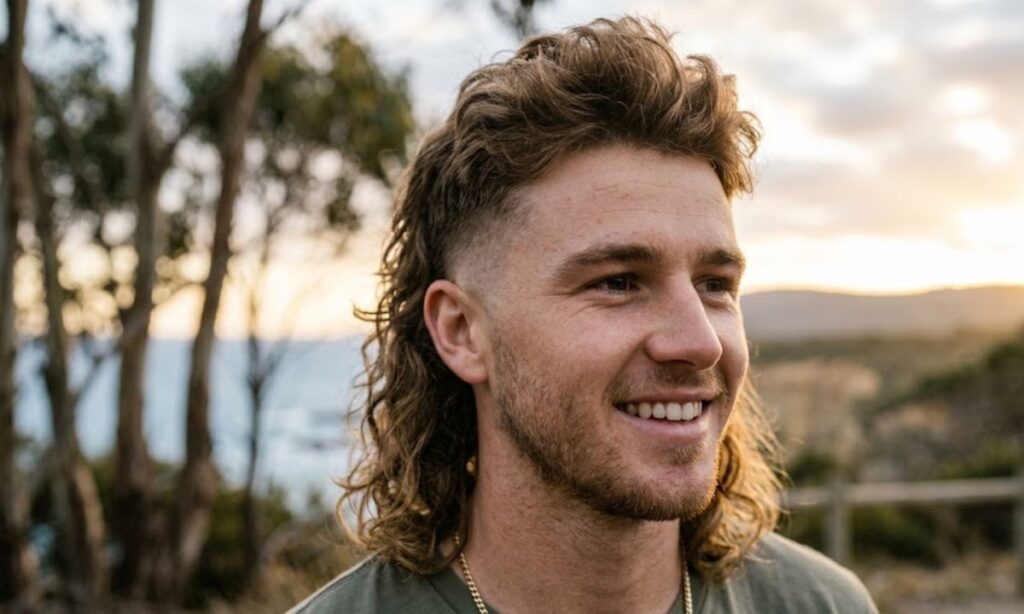
Low Fade Australian Mullet
A low fade starts just above the ear and follows the hairline downward. It is subtle and flattering on most faces. The longer top and back remain the focus. If you are nervous about a dramatic fade, this is the easiest entry point. It gives structure without making the cut look severe or too sporty.

High Fade Australian Mullet
A high fade starts near the temples, creating strong contrast between the short sides and the longer top and back. It looks bold, modern, and sharp. It suits people with strong jawlines and clean hairlines. It does need frequent maintenance, since the faded area grows in quickly and softens the contrast. Plan on trims every two to three weeks.
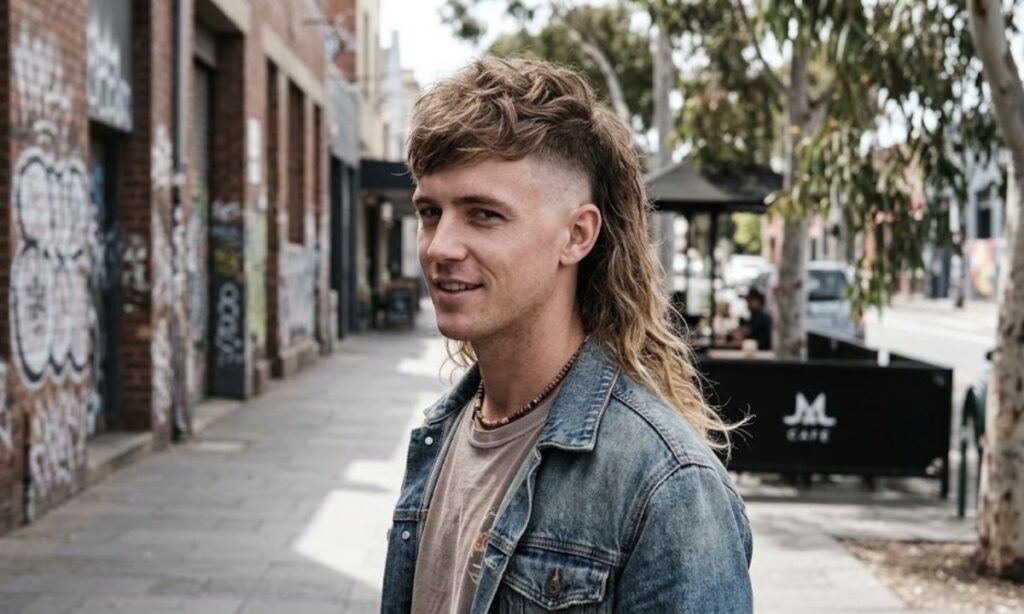
Textured Australian Mullet
Texture is what makes a mullet feel lived-in. Your barber uses point cutting or a razor to create uneven layers on top and through the back. The result is movement and body, even on fine hair. Style it with sea salt spray or clay and scrunch it with your fingers. It is ideal if you like a relaxed, effortless look.
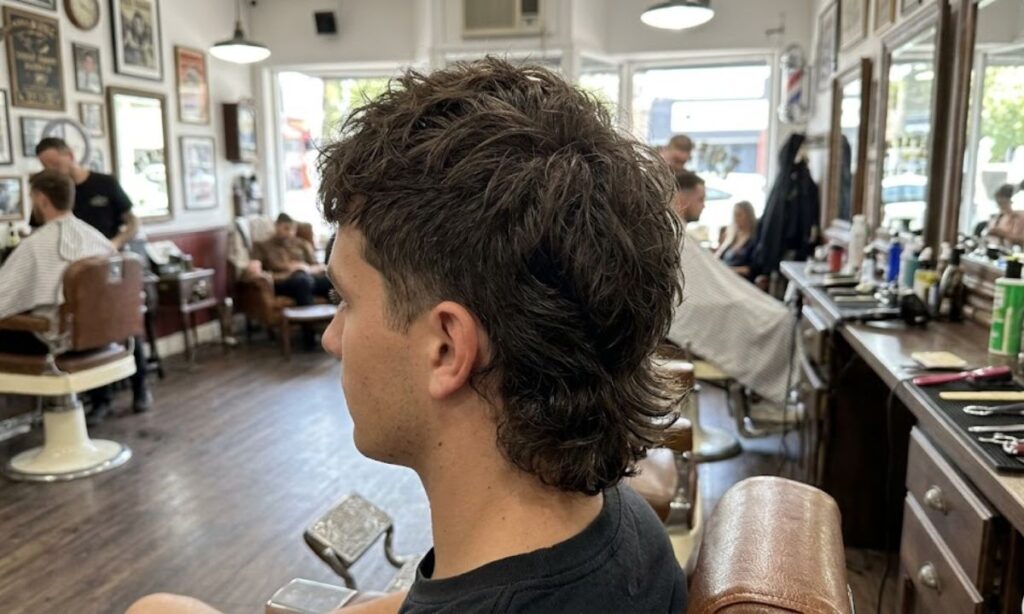
Curly Australian Mullet
Curls and mullets are a natural match. The top keeps its bounce, the sides stay tight, and the back forms soft ringlets. The key is cutting while the hair is dry, so the barber sees the real curl pattern. Use a curl cream to control frizz. Avoid brushing dry curls, which breaks up the shape and makes the back look puffy.

Wavy Australian Mullet
Wavy hair gives the mullet an easy, beachy flow. The layers fall naturally, so the cut looks balanced with little effort. A light mousse or sea salt spray enhances the wave without weighing it down. This version suits most face shapes. It is also one of the lowest-maintenance options, since the hair does much of the styling for you.

Shaggy Australian Mullet
The shaggy mullet leans into messy layers and a feathered look. The top is choppy, the sides blend softly, and the back is long and uneven. It suits thick or medium hair best. The vibe is carefree and creative. Use texture powder for lift and avoid heavy gels, which flatten the layers and ruin the relaxed shape.

Short Australian Mullet
If you want less length, this is the answer. The back sits just at or above the collar, so it reads as a subtle mullet. It is easy to style, practical for work, and a good test run before committing to length. You can wear it with a fade or a natural taper. It also suits fine hair well.

Long Australian Mullet
The long mullet lets the back fall well below the shoulders. It makes a dramatic statement and works best on healthy, thick hair. Keep the top layered so it does not look top-heavy. Regular conditioning is vital to keep the length smooth and prevent split ends. It takes patience to grow, but the payoff is a truly standout look.
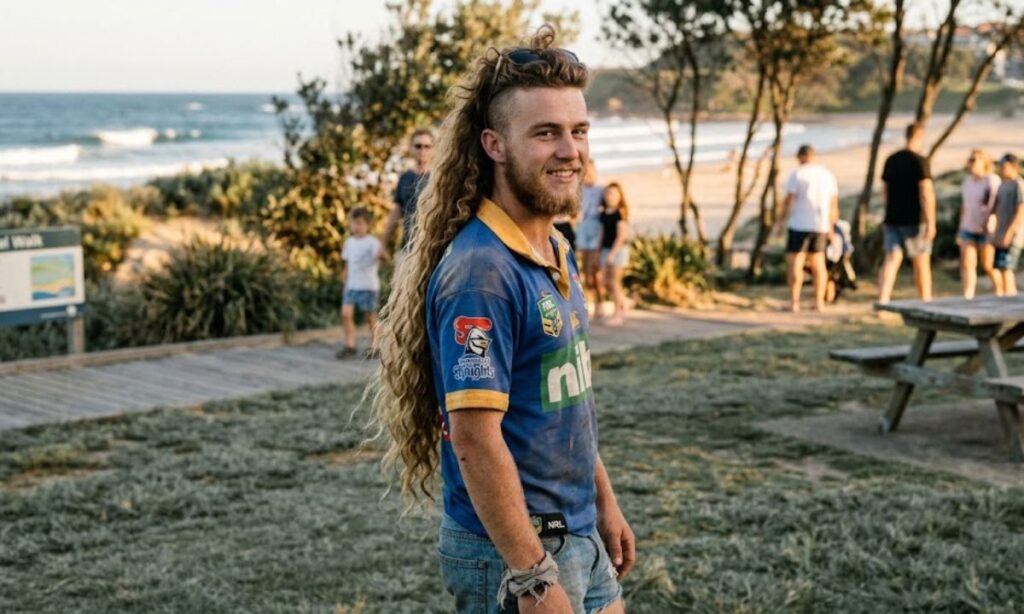
Aussie Mullet with Beard
Pairing a mullet with a beard balances the look. A short, well-groomed beard keeps things polished, while a fuller beard adds a rugged edge. Match the fade on your sides to your beard line for a seamless blend. This is a strong choice for round or oval faces, since the beard adds definition along the jaw.
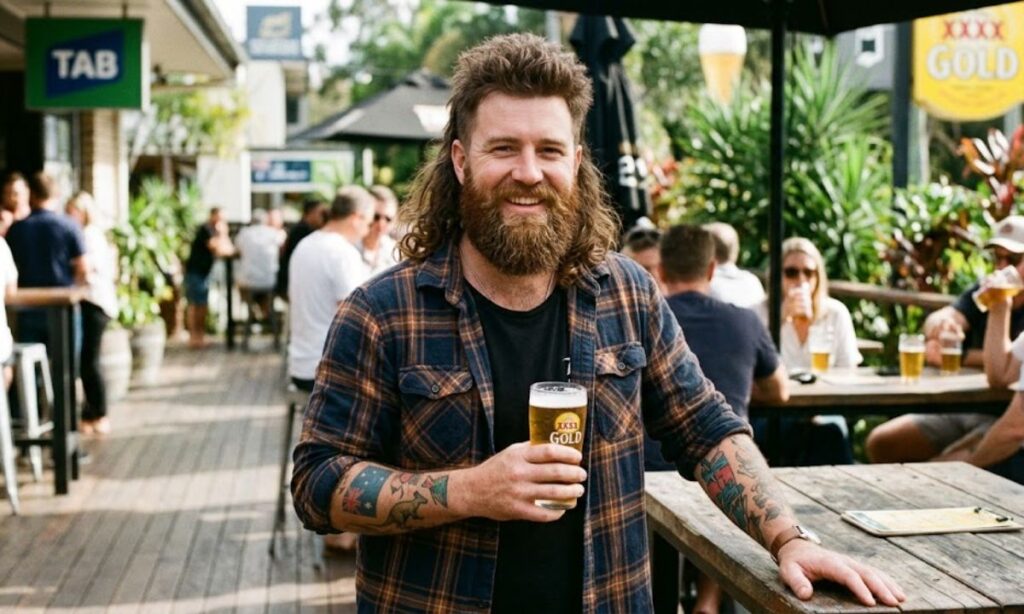
Razor Cut Australian Mullet
Razor cutting creates soft, wispy ends instead of blunt lines. On a mullet, it adds a lightweight, feathered texture that moves beautifully. It works best on straight to wavy hair and can help thick hair feel less bulky. Because the ends are delicate, use a good conditioner. Skip razor work if your hair is very dry or prone to frizz.

Modern Sporting Australian Mullet
Inspired by athletes, this version is clean, short-sided, and a little longer at the back. It looks energetic and neat, which suits active lifestyles. A skin or low fade keeps the sides tidy, while the back stays controlled. It is easy to keep up with a quick wash and a dab of light product.
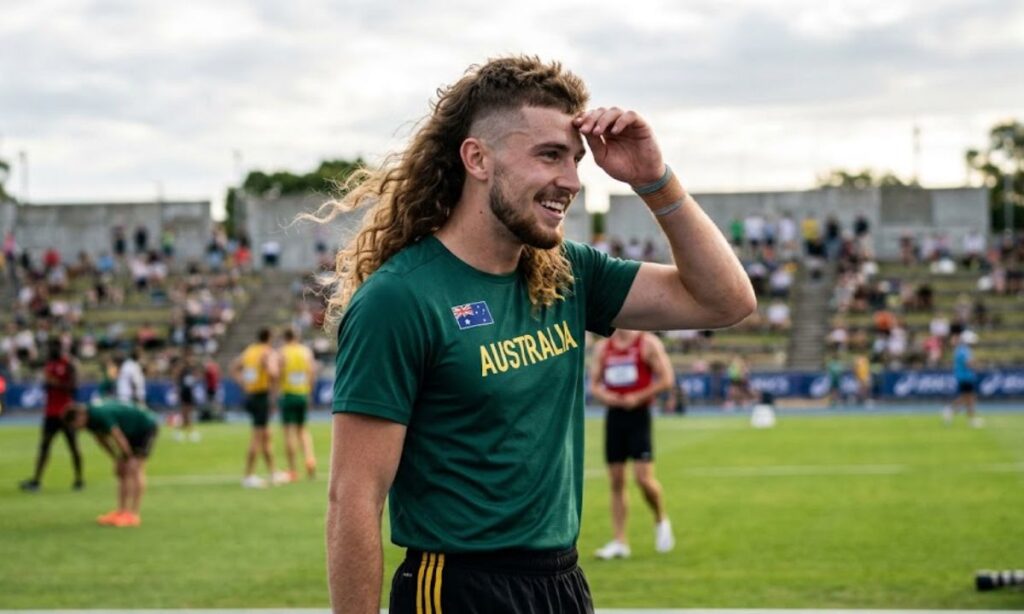
Undercut Australian Mullet
The undercut removes length from the sides and keeps a defined top and back. The sharp contrast makes the mullet look intentional and edgy. You can slick the top back or leave it messy. This works best on thick hair that holds shape. Keep the disconnect clean with regular barber visits, usually every three weeks.

Messy Australian Mullet
This style embraces a tousled, slept-in look. The layers are uneven, the top is textured, and nothing looks too perfect. It is ideal if you dislike fussy routines. A bit of paste or clay worked through with your fingers is enough. It hides growth stages well, so it is forgiving between cuts.

Fringe Australian Mullet
A fringe adds a soft frame across the forehead. It can be wispy, curtain-style, or blunt. It helps balance longer faces and softens strong features. Combined with a mullet back, it gives a distinctive, youthful look. Keep the fringe trimmed so it does not fall into your eyes, and use light product for definition.
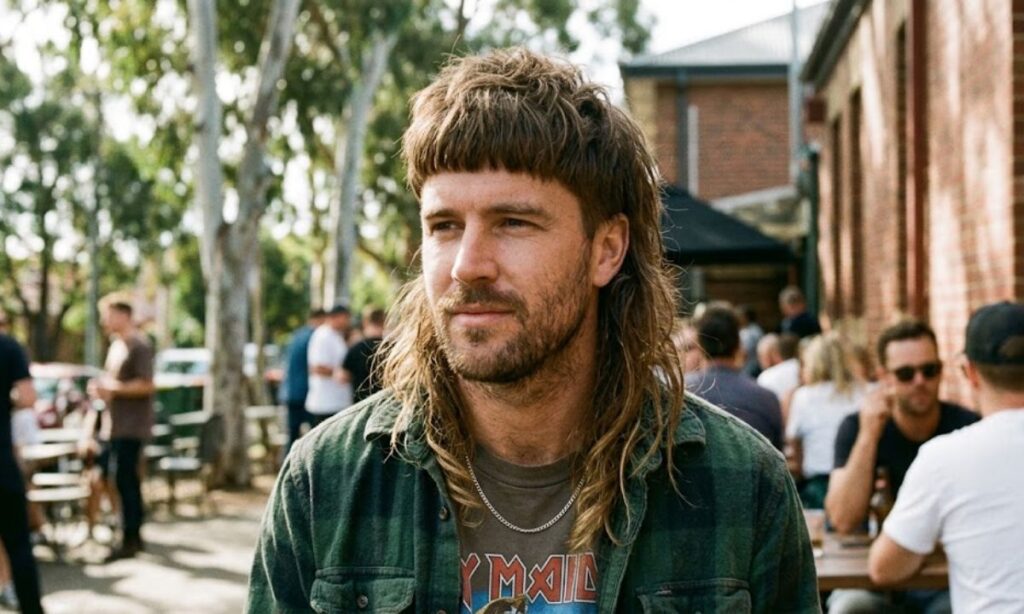
Wolf Cut Australian Mullet
The wolf cut blends shaggy layers with mullet shape. It has volume on top, choppy layers through the middle, and a wispy tail. This creates a full, textured silhouette that works for both men and women. It suits wavy and thick hair best. Use a sea salt spray and diffuse it dry for extra body.

Retro Australian Mullet
For a nod to the 80s and 90s, the retro version features feathered layers, longer sides, and a natural, flowing back. It is less faded and more rock-inspired. Blow dry the top slightly back for that classic lift. It looks great with a moustache and relaxed clothing, and suits straight to wavy hair.
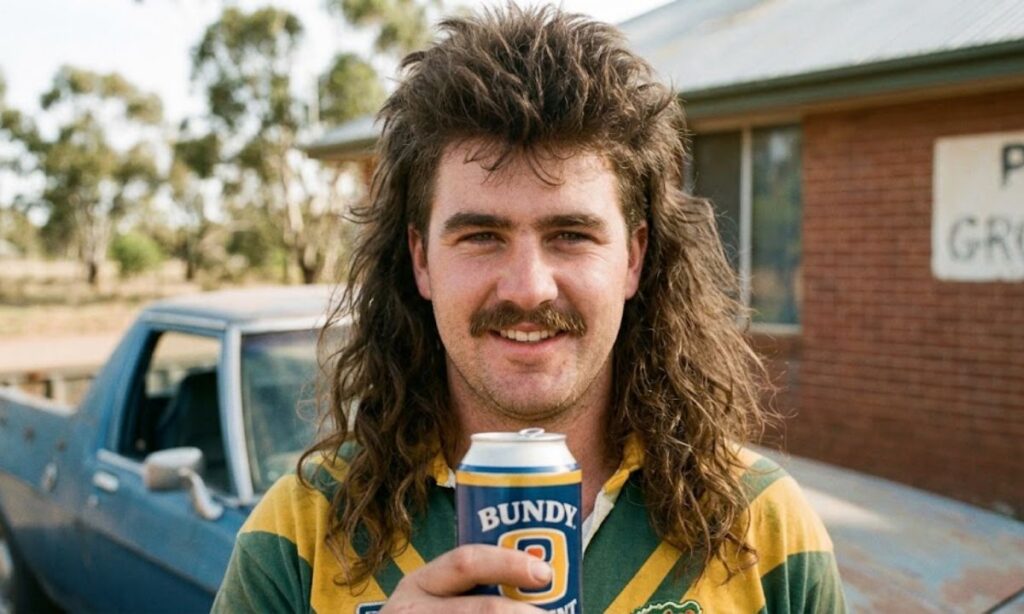
Skin Fade Australian Mullet
A skin fade takes the sides down to bare skin for a crisp, high-contrast result. Combined with a long top and back, it is one of the sharpest versions. It needs a trim every two weeks to stay clean. Choose this if you like a polished, high-impact finish.

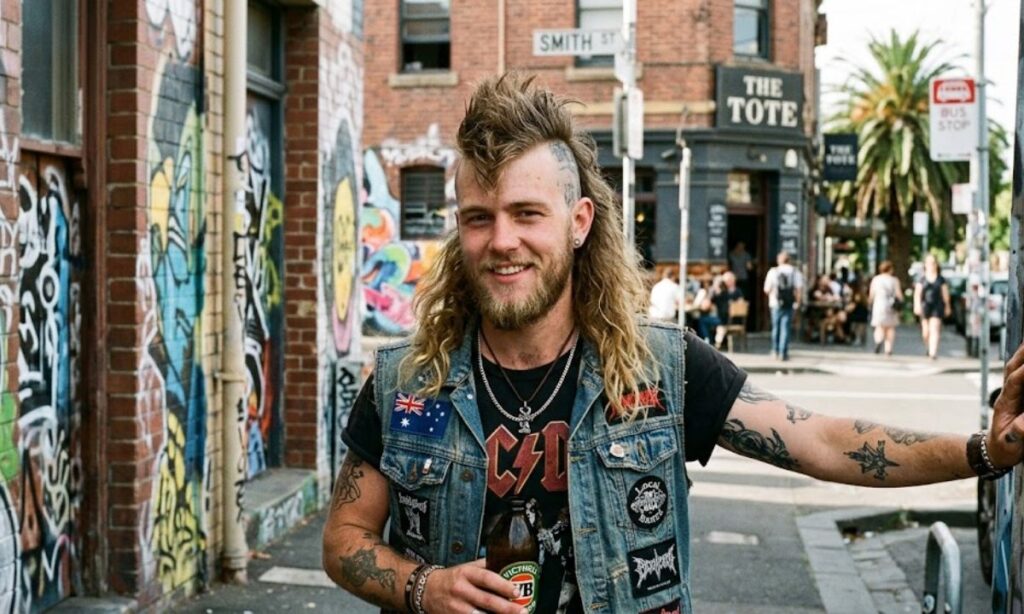
Mohawk Australian Mullet
This bold cut pairs a central strip of longer hair with very short sides, then extends into a tail at the back. It is a statement style, best for confident wearers. Use strong-hold products to shape the centre and keep the sides tidy.
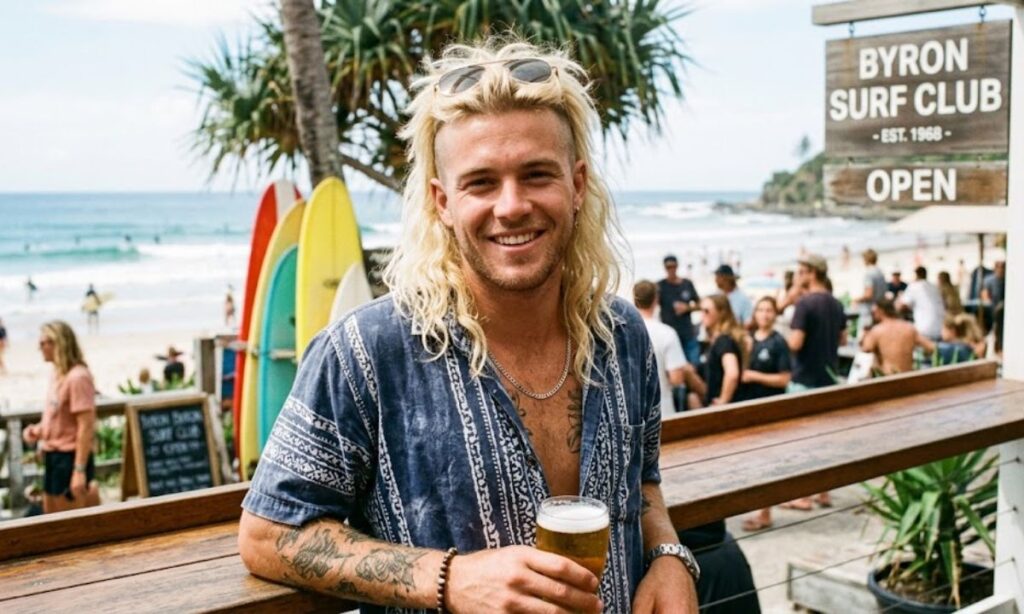
Bleached Blonde Australian Mullet
Bleached hair adds instant attitude. Platinum or golden tones make the layers pop and highlight the cut’s texture. Bleaching is damaging, so use bond-repair treatments and purple shampoo. A professional colourist is strongly recommended.
Australian Mullet for Boys
For boys, keep it short and manageable. A light taper, a layered top, and a modest back length work well. Choose soft styling products and avoid anything heavy. Check school rules before committing to the cut.

Australian Mullet for Women
For women, the mullet is softer and more layered. Think shag, curtain bangs, and feathered edges. It works on straight, wavy, and curly hair, and can be dyed in any shade for extra impact.

Australian Mullet Haircuts Maintenance Guide
A mullet is not high-maintenance, but it does need steady care. The back can look scruffy if neglected, and faded sides grow out quickly.
Maintenance Schedule
| Task | How Often |
| Barber trim (faded styles) | Every 2–3 weeks |
| Barber trim (natural styles) | Every 6–8 weeks |
| Shampoo | 2–4 times per week |
| Conditioner | Every wash |
| Deep conditioning mask | Once a week |
| Neckline clean-up | Every 2 weeks |
Who Should Try an Australian Mullet?
- Anyone who wants a distinctive but wearable cut
- People with wavy, curly, or thick hair
- Those who enjoy low-effort, textured styling
- Anyone growing out a short cut who wants a stylish in-between look
- Confident dressers who like a statement haircut
If your hair is very thin or you need a strictly formal look, choose a shorter or subtler version.
Best Products for Each Hair Type
| Hair Type | Best Products | Why |
| Straight | Sea salt spray, texture powder | Adds grip and volume |
| Wavy | Light mousse, matte paste | Enhances natural movement |
| Curly | Curl cream, leave-in conditioner | Controls frizz, defines curls |
| Thick | Clay, strong-hold paste | Controls bulk and shapes layers |
| Fine | Volumising spray, light powder | Adds lift without weight |
Common Mistakes to Avoid
- Letting the back grow too thin: It makes the tail look stringy.
- Using heavy gel: It flattens layers and removes texture.
- Skipping trims: Split ends ruin the shape.
- Ignoring your hair type: Not every version works for every texture.
- Not telling your barber your goal: Bring reference photos.
- Over-washing: It dries the hair and causes frizz.
How Long Does It Take to Grow an Australian Mullet?
Hair grows about half an inch per month, so most people need three to six months to reach a basic mullet length. A longer version can take eight to twelve months.
| Style Length | Estimated Growth Time |
| Short mullet | 2–3 months |
| Medium mullet | 4–6 months |
| Long mullet | 8–12 months |
During growth, get regular shaping trims to keep the cut balanced.
Styling Tips for an Australian Mullet Haircut
Recommended Styling Products
- Matte clay for texture and hold
- Sea salt spray for beachy volume
- Light cream for curls and waves
- Texture powder for lift on fine hair
- Heat protectant if you blow dry daily
Daily Styling Advice
- Start with damp, towel-dried hair.
- Apply a small amount of product, and add more only if needed.
- Blow dry the top upward or forward for volume.
- Scrunch or finger-comb the back for natural shape.
- Finish with a light-hold spray if needed.
Mullet Haircuts for Men: Tips & Tricks
The modern mullet has evolved somewhat from the heyday in the 70s and 80s, giving folks a little more freedom to experiment and play around with the iconic style statement
Avoid the most common hair mistakes with these expert tips and tricks for maintaining your incredible mullet haircut.
Mullet Haircuts for Men: Tips & Tricks
The mullet is short on the top and sides and longer at the back. Modern versions are softer and more textured than the 80s original, but they still need upkeep to look intentional rather than overgrown. These four habits make the biggest difference.
1. Blow Dry Instead of Air Dry
Air drying leaves hair to dry in whatever shape it fell in, which often means flat, frizzy, or uneven results. A mullet depends on shape and volume, and a blow dryer lets you control both.
Why it works
- Volume at the top
- Controlled flow at the back
- Less frizz
- Consistency
Tip:
Keep the dryer moving and a few inches from your head so you don’t overheat one spot.
2. Use Hair Products
Products give the mullet shape, texture, and hold. Without them, the cut can look limp or shapeless.
Common product types
- Sea salt spray or texturizing spray
- Styling cream
- Matte clay or paste
- Pomade or wax
- Hairspray
3. Use Conditioner
The back of a mullet is the longest part, which means it’s the oldest hair and the most exposed to dryness, friction, and damage. Conditioner keeps it healthy and manageable.
Benefits
- Smooths the hair cuticle, which reduces frizz and tangles.
- Adds moisture, which prevents the dry, straw-like look and helps avoid split ends.
- Makes the hair easier to comb and style.
- Helps protect against the wear from heat styling.
4. Regularly Visit Your Barber
A mullet loses its shape quickly because the contrast between short and long sections is what defines it. As hair grows, the lines blur and the style looks unkempt.
- Why regular trims matter
- Maintaining the shape
- Controlling the length
- Removing split ends
- Getting expert advice
Quick Summary
| Tip | Main Benefit |
| Blow dry | Volume, control, less frizz |
| Hair products | Texture, shape, hold |
| Conditioner | Healthy, smooth, manageable length |
| Regular barber visits | Clean lines and lasting shape |
Frequently Asked Question
What is an Australian mullet haircut?
It is a modern mullet with a layered, textured top, tapered or faded sides, and a longer, blended back.
How is it different from a classic mullet?
It is softer and more blended, with texture and fades instead of the sharp, flat contrast of the 80s version.
Is the Australian mullet still in style in 2026?
Yes. It remains popular thanks to its versatility and low-effort styling.
Who suits an Australian mullet?
Most face shapes and hair types suit it, especially wavy, curly, and thick hair.
How often should I get a trim?
Every two to three weeks for faded styles, and every six to eight weeks for natural ones.
Is an Australian mullet suitable for professional settings?
Yes, if it’s styled neatly. Keep the sides tidy, the neckline clean, and the length controlled. A polished, well-groomed mullet works in most modern offices, though very conservative workplaces may prefer a subtler version.
Which fade works best with an Australian mullet?
A mid or high taper fade works best. It keeps the sides short and sharp while letting the longer back and top stand out, giving a clean, balanced shape.
How often should I trim my Australian mullet?
Every 4 to 6 weeks. Regular trims keep the fade sharp, the neckline clean, and the back length even.
Can I get a mullet with fine hair?
Yes. Choose shorter layers and volumising products to avoid a stringy look.
What products should I use?
Clay or paste for hold, sea salt spray for texture, and curl cream for curly hair.
Final Thought
Australian mullet haircuts are back and bolder than ever in 2026. This style mixes short sides with a long back. It looks fun, edgy, and full of attitude. People love it because it feels free and different.
There are many ways to wear it today. You can go soft and textured for a casual look. You can also choose sharp layers for a stronger vibe. Add a fade or curls to make it your own.
The best mullet is the one that suits you. Talk to your stylist and share your ideas. Keep it clean with regular trims and good products. Wear it with pride and enjoy the style!

Owen Blake is a fashion writer and style enthusiast contributing to Faxhion Megazine. With a focus on fashion trends, personal style, seasonal looks, and practical styling ideas, Owen creates clear, reader friendly content. His work combines trend awareness, careful research, and an interest in helping readers make confident, informed fashion choices.