


The mullet is back, and it looks sharper than ever. The low taper version is the reason. It keeps the sides short and clean. The back stays long and loose. It feels bold, but not too wild. You can wear it to work, to a party, or on a lazy weekend. Think of it as the modern, polished take on a retro favorite.
Not sure where to start? Here is help. In Low Taper Mullet: 15 Trendy Haircut Ideas for 2026, you will find styles for straight, wavy, and curly hair. Some are short and neat. Others are long and messy. Each idea is easy to explain to your barber. Every cut here is simple to style at home. You only need a little product and a few minutes. Pick one you like, save the photo, and book your visit.
What Is a Low Taper Mullet?
A low taper mullet is a mullet with a gentle, low fade on the sides. The hair gets shorter gradually around the sideburns, the ears and the nape, while the top and back stay longer.
The word “low” matters. The taper starts close to the ears and neckline, not up near the temples. That means the sides keep some hair instead of going down to bare skin, which gives a softer, more wearable look than a high fade or a skin fade.
The classic 80s mullet was short at the front and sides and long at the back, with little blending in between. The modern version blends everything together. You get texture on top, flow at the back and a clean finish around the ears.
Quick Answers About the Low Taper Mullet
It is a mullet with short, faded sides and a long back.
Who can wear it? Almost anyone can. It works on straight, wavy, and curly hair.
How long does it take to grow? Most people need 3 to 6 months for a good length.
How often should I trim it? Visit your barber every 3 to 4 weeks to keep the taper sharp.
Is it hard to style? No. A little cream or sea salt spray does the job.
What should I tell my barber to get a low taper mullet?
Say: “low taper on the sides and neckline, textured top, and keep the length in the back.” Ask for a #2 or #3 guard at the shortest point, then show a photo so you both picture the same cut.
How long does my hair need to be for a low taper mullet?
About 3 to 4 inches on top and 4 to 6 inches at the back is a solid starting point. Shorter hair still works, but the mullet shape will look more subtle.
Who Should Try a Low Taper Mullet?
Almost anyone can wear this cut, because the barber adjusts the length and layers to suit you. It tends to work well for:
- People with straight, wavy or curly hair. Each texture gives a different finish, and the taper keeps all of them tidy.
- Anyone with thick hair. The tapered sides remove bulk where it builds up fastest.
- People who want a bold cut that still looks neat. The low fade keeps the sides clean enough for work or school.
- Round, square, oval and long face shapes. A good barber can change the top volume and the taper height to balance your features.
- Men, women and non-binary people. Longer layers and softer ends make it easy to tailor.
If you wear a suit every day and your office has a strict dress code, think about a shorter back. Otherwise, you have plenty of room to play.
Benefits of a Low Taper Mullet
- Clean and bold at once. You get the personality of a mullet without the messy, grown-out look.
- Easy to customize. You can change the length, texture, fringe, color and fade height.
- Good for many hair types. Straight, wavy, curly and thick hair all work with the right layering.
- Flexible styling. Wear it neat for work or messy for the weekend.
- Grows out gracefully. The low taper blends into your natural neckline as it grows, so it rarely looks awkward between cuts.
Is a low taper mullet still in style in 2026?

Yes. The cut keeps showing up on barbershop menus because it feels modern, flexible and less extreme than older mullet styles.
15 Best Low Taper Mullet Hairstyles
1. Classic Low Taper Mullet
This is the baseline version, and the best place to start if you are new to the cut. The sides are tapered low around the ears, with a short, tidy neckline. The top stays a little longer and carries light texture. The back falls near the collar with soft layers. Ask for a smooth blend from the taper into the length behind the ears so there is no sudden jump. It works with almost any hair type and looks good with a plain tee or a jacket.

2. Textured Low Taper Mullet
This version is all about movement. Your barber uses point cutting or razor layers to break up the top and back, so the hair looks lived-in instead of flat. Add a little sea salt spray or texture powder and scrunch it with your fingers. It suits straight and slightly wavy hair that tends to fall limp. The tapered sides keep the shape neat while the top does the talking. It is easy to style in about two minutes.
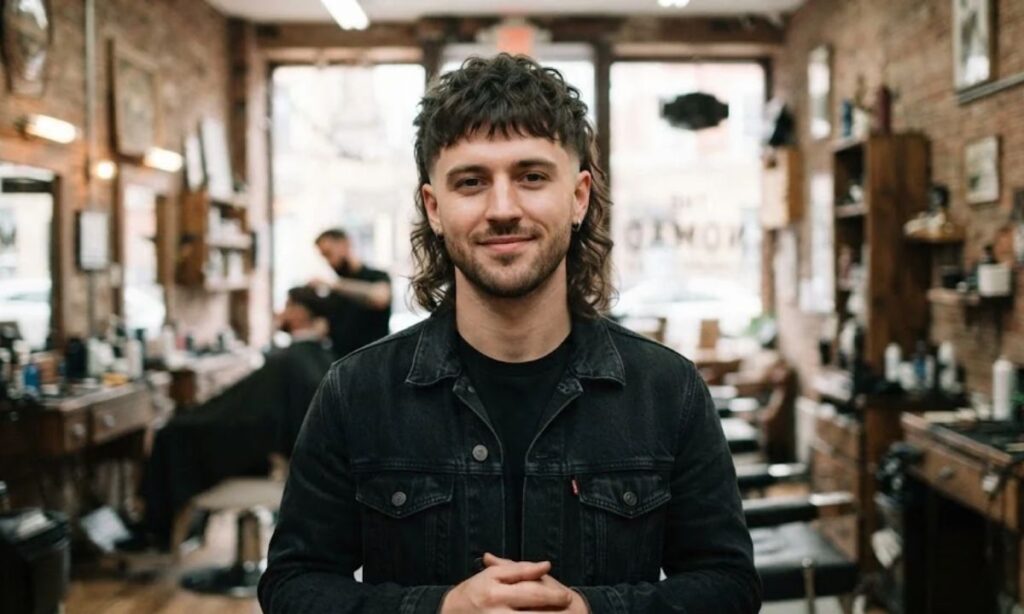
3. Curly Low Taper Mullet
Curls and a mullet are a great match. The curls add natural volume on top and at the back, while the low taper stops the sides from puffing out. Ask your barber to cut the curls dry or semi-dry so they can see how each curl really sits. Leave extra length at the back, because curls shrink once they dry. Use a curl cream and let the hair air-dry or diffuse it on low heat. Avoid brushing dry curls.

4. Low Taper Mullet with Fringe
A fringe adds a soft, face-framing touch at the front. It can be a textured, side-swept fringe or a short, choppy one that sits above the eyebrows. Combined with the tapered sides, it gives the mullet a youthful, slightly retro feel. The shape works well on longer or oval faces and can soften a strong jawline. Ask your barber to cut the fringe dry so it falls naturally. Use a light cream to keep it from sticking together.
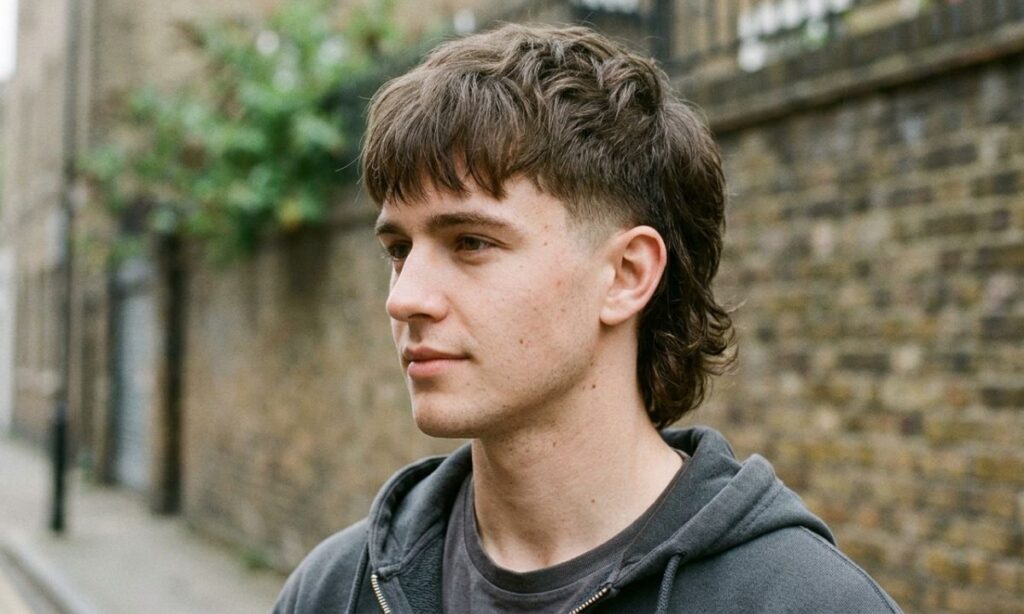
5. Low Taper Fade Mullet with Beard
If you wear a beard, this is the one. Ask your barber to blend the low taper on your sideburns straight into the beard, so there is no hard line between hair and facial hair. A trimmed beard balances the length at the back and gives the look more structure. Keep the beard short to medium for a neat finish, or let it grow fuller for a rugged feel. Brush it daily and use a little beard oil to keep it soft.

6. Short Low Taper Mullet
This is the easiest way to try a mullet without a big commitment. The top stays short and textured, and the back is only slightly longer than the sides. From the front, it looks like a neat tapered cut. From behind, you see the hint of a mullet. It works well for people with thick hair, because it removes bulk and keeps styling simple. It also suits workplaces with stricter grooming rules. You can always grow it longer later.

7. Long Low Taper Mullet
If you want a dramatic look, go long. The back can reach the shoulders or sit well below the collar, while the low taper keeps the sides and nape controlled. The contrast makes the length look intentional. This version needs regular conditioning to avoid dry, frizzy ends. Ask for long layers so the hair moves instead of hanging heavy. It looks best on healthy hair, so plan for a trim every couple of months to remove split ends.

8. Wavy Low Taper Mullet
Wavy hair is one of the easiest textures to wear with this cut. The waves give natural body and an effortless shape with very little product. The taper keeps the sides from looking wide, and the longer back shows off the wave pattern. Use a light mousse or sea salt spray on damp hair, then let it dry naturally. Skip heavy gels, which flatten the waves and make the hair look greasy.
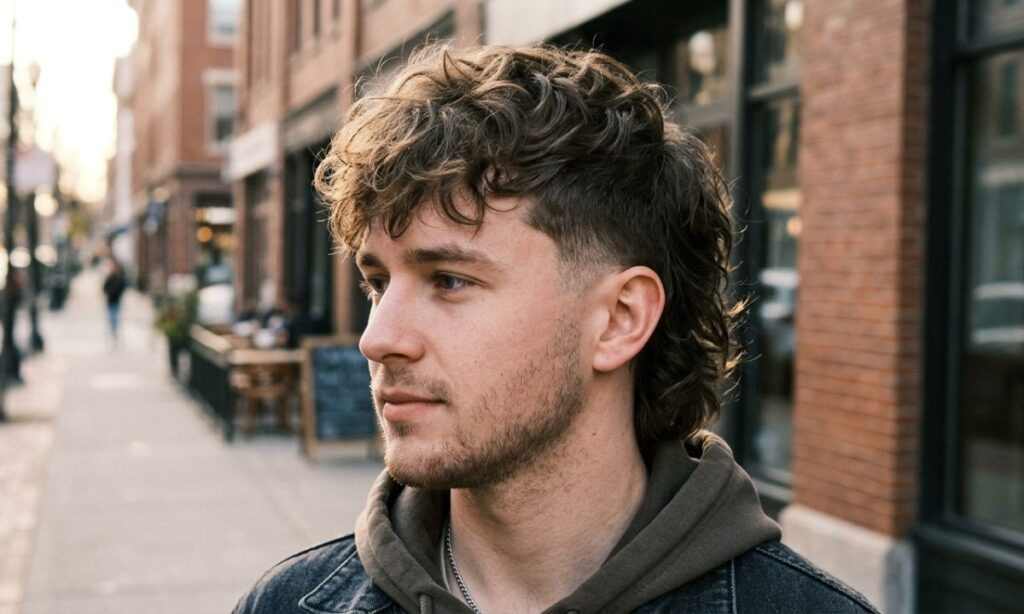
9. Sleek Straight Low Taper Mullet
This polished version suits fine, straight hair. The top is smooth and combed back or to the side, and the back falls straight with clean, even ends. It gives a sharper, more modern look than a messy mullet. A lightweight styling cream and a blow-dry with a brush keep it smooth. Add a tiny bit of shine serum to the ends. Straight hair shows every cutting mistake, so choose a barber who does precise work.

10. Low Taper Mullet with Bleached Tips
Bleached tips turn a good haircut into a statement. Lightening only the ends of the top and back adds contrast and makes the layers stand out. Platinum, honey and silver all look great, and the tapered sides stay natural for balance. Bleach is harsh, so talk to a colorist about aftercare. Use a purple shampoo to control brassy tones, a deep conditioner every week, and a heat protectant before blow-drying.

11. Low Taper Mullet with Sharp Line-Up
A crisp line-up around the forehead, temples and sideburns gives this cut a very clean frame. The sharp edges sit right next to the long, relaxed back, and that contrast is what makes the style pop. It is especially popular with coily and tightly curled hair, though it works on any texture. The downside is upkeep, since the edges lose their sharpness in about two weeks. Book quick touch-ups between full cuts.

12. Low Taper Mullet for Thick Hair
Thick hair can feel heavy, and a mullet can easily turn into a big triangle shape. The low taper fixes that on the sides. Ask your barber to thin the hair from the inside, instead of simply cutting it shorter. That removes weight while keeping the length. Add long layers at the back so the hair moves. A light styling cream or a little paste is plenty, because thick hair holds its shape on its own.

13. Low Taper Mullet for Thin Hair
Fine or thin hair needs a lighter approach. Keep the back a bit shorter, around neck length, so it looks fuller and does not hang flat. Ask for a textured top, since choppy layers create the look of more volume. The low taper helps too, because shorter sides make the top look thicker by comparison. Use a volumizing mousse or texture powder at the roots, and skip heavy waxes. Fewer products usually mean better results here.
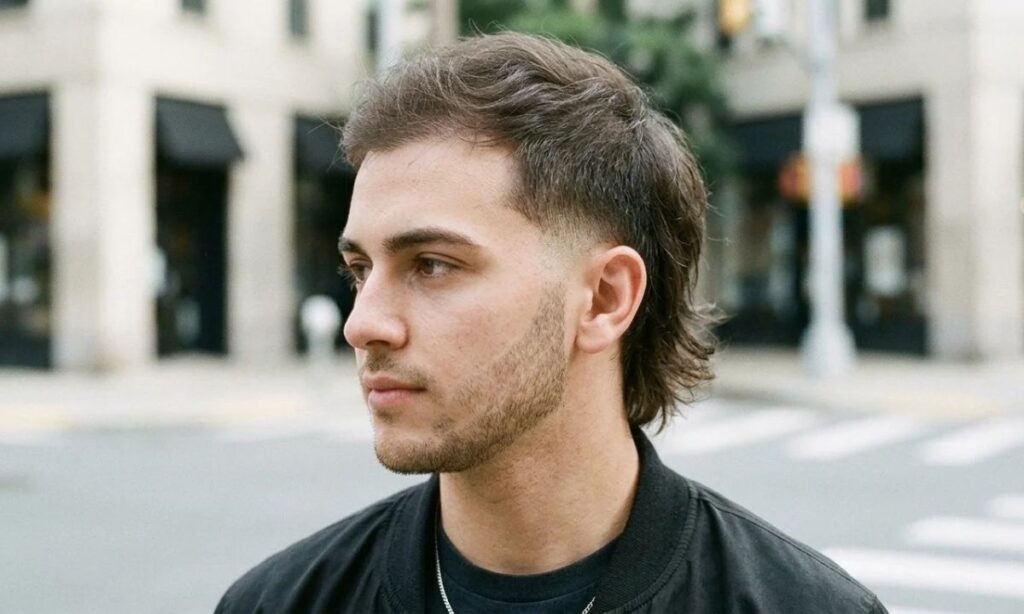
14. Low Taper Mullet for Teens
Teens usually want something trendy that still passes school rules. A short or medium low taper mullet does exactly that. Keep the sides neat, the top textured and the back moderate. It is easy to style with a bit of cream or even just a towel dry, and it grows out well if the mood changes. Bring a reference photo to the barber and check the school dress code first so nobody has to rush back for a fix.
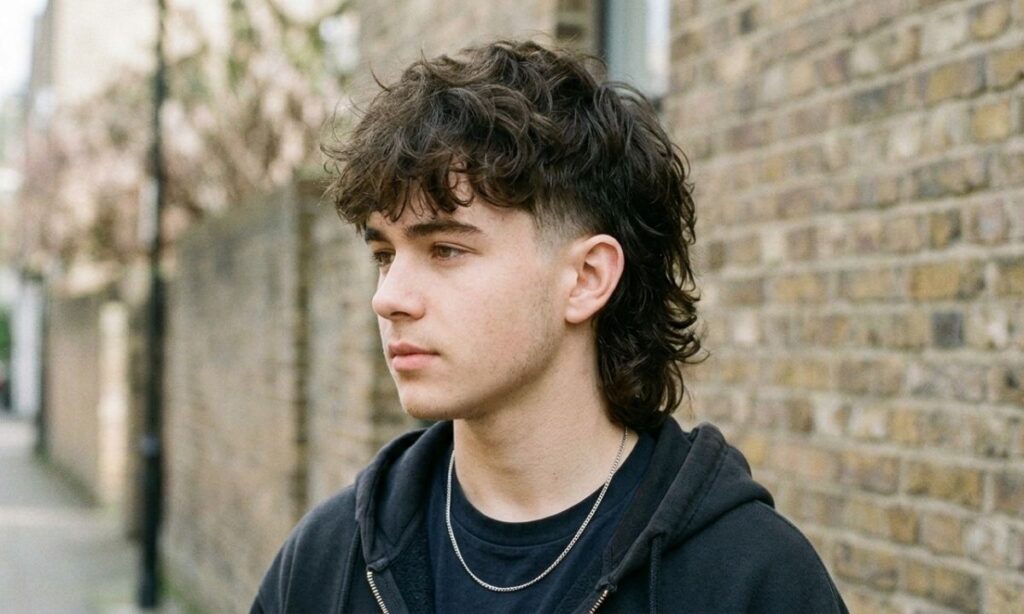
15. Feminine Low Taper Mullet
Women and non-binary people often wear this cut with longer layers, a softer fringe and rounder shapes around the face. The low taper stays subtle, usually just at the nape and around the ears, so the overall look feels airy and edgy rather than harsh. It suits straight, wavy and curly hair. Ask for face-framing pieces near the cheeks and layers that start higher on the crown. A texturizing spray adds movement without stiffness.

How to Style a Low Taper Mullet
You do not need a long routine. Start with clean hair and choose a finish that fits your day.
Everyday Casual Style
Towel-dry your hair until it is just damp. Work in a pea-sized amount of styling cream or light paste. Rake your fingers through the top and back, then let it air-dry. This takes about two minutes and gives a natural, easy look.
Professional Finish
Apply a light-hold product to damp hair. Blow-dry the top with a brush to smooth it, and comb it back or to one side. Tuck the longer back behind your ears or leave it neat and flat. Finish with a matte spray for a polished look without shine.
Messy Textured Look
Spritz sea salt spray into damp hair and scrunch it. Dry with a diffuser or air-dry. Add a little texture powder at the crown and rough up the ends with your fingertips. The goal is controlled mess, not a bed-head disaster.
Curly Finish
Apply curl cream or leave-in conditioner to soaking wet hair. Scrunch upward, then diffuse on low heat or air-dry. Do not touch it while it dries, or it will frizz. Once it is fully dry, gently break up the curls with your fingers.
Best Hair Products for a Low Taper Mullet
You only need a few products. Choose lighter formulas if your hair is fine, and creamier ones if it is thick or curly.
| Product | Purpose |
| Sea salt spray | Adds grip, volume and beachy texture |
| Texture powder | Lifts the roots and adds body to thin hair |
| Styling cream | Gives soft hold and controls frizz |
| Matte paste or clay | Defines layers with a natural, no-shine finish |
| Curl cream | Defines curls and reduces frizz |
| Light mousse | Adds volume to wavy and straight hair |
| Heat protectant | Shields hair from blow-dryers and styling tools |
| Leave-in conditioner | Keeps the longer back soft and manageable |
Maintenance Tips
The low taper mullet is not hard to maintain, but a few habits keep it looking sharp.
Visit Your Barber Every 4–6 Weeks
This keeps the taper clean and the layers in shape. If you like a very crisp neckline or line-up, a quick touch-up every two to three weeks helps. Tell your barber if you want to grow the back longer so they trim with that goal in mind.
Wash Hair Properly
Wash two to four times a week with a gentle shampoo, depending on your scalp and hair type. Washing every day can dry out the longer back. Focus the shampoo on your scalp and let the suds rinse through the lengths.
Condition Regularly
The back of a mullet is the oldest hair on your head, so it needs moisture. Use conditioner on the mid-lengths and ends every wash. Add a deep conditioning mask once a week if your hair is dry, curly or bleached.
Avoid Heavy Styling Products
Thick gels and waxes weigh the hair down, make it greasy and flatten the layers. Use small amounts and build up only if needed. Wash out product buildup with a clarifying shampoo every couple of weeks.
Protect Hair from Heat
Spray a heat protectant before using a blow-dryer, straightener or curling iron. Keep tools on a medium setting. Whenever you can, let your hair air-dry, especially the longer back.
Common Mistakes to Avoid
- Asking for “just a mullet.” The word means different things to different people. Be specific about the taper height, top length and back length.
- Starting the taper too high. A mid or high fade changes the look completely. Say “low” and show where on your ear it should begin.
- Cutting the back too short. Once it is gone, you cannot get it back. Start longer and trim later.
- Ignoring your hair type. Curly hair needs extra length, and fine hair needs a shorter back and more texture.
- Using too much product. It weighs down the layers and shows up as grease.
- Skipping trims. Overgrown sides lose the taper, and split ends ruin the flow.
- Not bringing a photo. A picture removes guesswork.
- Choosing an inexperienced barber. A clean blend takes skill. Check their past work before booking.
Low Taper Mullet vs Other Popular Mullet Haircuts
The main difference is where the fade starts and how much contrast you get.
| Feature | Low Taper Mullet | Mid Taper Mullet | Burst Fade Mullet |
| Fade starts | Low, near the ears and nape | Around the middle of the sides | Curves around the ear and back of the head |
| Contrast | Soft and subtle | Medium | Strong at the ear and nape |
| Look | Neat and wearable | Balanced and sharper | Bold and trendy |
| Best for | Work, school, first-time mullet wearers | Thick hair, stronger shape | Curly hair, standout style |
| Maintenance | Moderate | Moderate to high | High |
Low Taper Mullet
The most subtle of the three. It keeps more hair on the sides and gives the softest transition into the longer back.
Mid Taper Mullet
The fade begins higher, so the sides look shorter and the contrast is stronger. It suits thick hair, because it removes more bulk.
Burst Fade Mullet
The fade curves around the ear and down the back of the head, leaving more length at the front and top. It is a bold, high-contrast style that needs regular touch-ups.
Pros and Cons of a Low Taper Mullet
Pros
- Looks neat and bold at the same time
- Works with straight, wavy, curly and thick hair
- Easy to customize with a fringe, color or beard
- Suitable for work, school and weekends
- Grows out smoothly
- Styling can take just a few minutes
Cons
- Needs a skilled barber for a clean blend
- The taper loses shape after a few weeks
- The longer back can dry out without proper care
- Not suited to very strict dress codes if the back is long
- Growing out the back takes patience
Frequently Asked Questions
Is a low taper mullet the same as a low fade mullet?
Not exactly. A taper is softer and leaves some hair on the sides, while a fade usually goes shorter, sometimes down to the skin.
Can curly hair have a low taper mullet?
Yes, and it looks great. Ask your barber to cut it dry or semi-dry and leave extra length at the back for shrinkage.
Is a low taper mullet good for work?
In most offices, yes. The sides stay neat, and a shorter back keeps the look professional.
Does a low taper mullet work on thin hair?
Yes. Keep the back shorter, add texture on top and use light products to create the look of fuller hair.
Should a low taper mullet go down to the skin?
No. A low taper usually stays at a #2 or #3 guard, or longer. If you want skin, ask for a low fade instead.
How often should I trim a low taper mullet?
Every 4 to 6 weeks for the shape. Add a quick neckline or line-up touch-up in between if you like it extra crisp.
Can women get a low taper mullet?
Yes. It is popular with longer layers, a softer fringe and a subtle taper at the nape and ears.
What face shape suits a low taper mullet best?
Most face shapes work. Your barber can adjust the top volume and taper height to balance round, square, oval or long faces.
Final Thought
The mullet has come a long way. Today, it looks clean, smooth, and full of style. The low taper keeps things neat on the sides. The longer back adds fun and character. You can go bold or keep it soft. The choice is yours.
It suits many hair types and face shapes too. Add your own twist.Now you know what to look for. Our list of Low Taper Mullet: 15 Trendy Haircut Ideas for 2026 gives you plenty of options. Pick a style that fits your hair type and daily routine.
Bring a photo to your barber. Ask for clear details on length and fade. Take care of your hair with simple products. Trim it often to keep the shape fresh. With the right cut, you will walk out feeling confident. Go ahead and try something new this year.

Owen Blake is a fashion writer and style enthusiast contributing to Faxhion Megazine. With a focus on fashion trends, personal style, seasonal looks, and practical styling ideas, Owen creates clear, reader friendly content. His work combines trend awareness, careful research, and an interest in helping readers make confident, informed fashion choices.