


Mullets are back, and they look better than ever. Many people now want a fresh, modern take on this bold cut. Asian modern mullets suit straight, thick hair very well. The cut is short on the sides and long at the back. It feels edgy, but it also looks clean and neat. You can wear it to work, school, or a night out. Most face shapes can pull it off.
In this guide, you will find the best cuts and styles for 2026. We cover fades, layers, waves, and textured looks. Each idea is easy to follow and easy to ask for at the salon. You will also learn simple styling and care tips. Pick the look that fits your hair type and your daily routine. Then walk into the barbershop with confidence. Your best mullet is waiting for you.
What Is an Asian Modern Mullet?
An Asian modern mullet keeps the top and sides shorter and leaves extra length at the back. The difference from the old 1980s version is the blend. Fades, tapers and layers smooth the join, so the cut looks planned instead of accidental.
The idea is still short in front, longer behind. The contrast is just softer and more controlled, and it can be tuned to your hair, your job and your taste.
Is the Mullet Still in Style in 2026?
Yes, but the 2026 version is tidier. Style editors and barbers describe a shift away from messy, extreme shapes toward tailored ones: softer layers, a blended nape and volume that is controlled rather than random.
You can see this in wolf cuts, Korean-inspired layered cuts and fade mullets. If a textured crop feels too safe and a full shag feels too loud, the modern mullet sits comfortably in the middle.
Why the Modern Mullet Works So Well on Asian Hair
Asian hair is often straight, dense and strong. That combination suits this cut for a few clear reasons:
- Density: Thick hair gives the back real body, so the mullet shape looks full.
- Straight texture: Fades, layers and razor edges show up cleanly.
- Strong strands: The cut holds its line and does not collapse by lunchtime.
- Easy to customize: A perm, color or design fade can change the whole mood.
There is one catch. Dense hair can puff out at the sides if the barber skips layering, and very fine hair can look flat without styling.
Hair Texture and Thickness: What to Know First
Your texture decides how much work the cut needs. Check this table before you book.
| Hair type | What to ask for | Styling tip |
| Thick and straight | Internal layers, point cutting to remove bulk | Matte clay or paste |
| Fine and straight | Slightly shorter back, texture on top | Sea salt spray, light perm |
| Wavy | Fewer layers, let the wave lead | Cream, air-dry |
| Curly or permed | Tight sides so curls do not widen the shape | Curl cream, diffuser |
| Coarse or frizzy | Small undercut at the nape | Light oil or leave-in |
Best Mullet Styles by Face Shape
The right proportions make the cut look intentional.
| Face shape | Best mullet | Why it works |
| Round | Mid or high fade with height on top | Adds length and slims the sides |
| Oval | Layered or Korean mullet | Almost anything fits |
| Square | Soft layers, side-swept fringe | Softens a strong jaw |
| Long | Curtain bangs, less height on top | Shortens the face visually |
| Heart | Low taper, fuller nape | Balances a narrow chin |
Fade and Taper Mullet Styles
Fades and tapers control the contrast. A taper trims the hairline edges only. A fade blends down to very short hair or skin. A scissor-cut taper skips clippers completely and softens the sides with shears.
| Style | Starts at | Best for | Upkeep |
| Low taper | Sideburns, nape | Offices, first-timers | Medium |
| Mid fade | Temple level | Balanced contrast | Medium-high |
| High fade | Upper head | Bold, sharp look | High |
| Burst fade | Around the ear | Curved, edgy shape | High |
35 Best Asian Modern Mullets Styles
Here are 35 ideas, grouped so you can find your vibe fast.
1. Classic Asian Modern Mullet
Short, tidy sides with a back that reaches the collar. The top has light texture and a loose side part. It is the safest starting point and easy to explain to any barber. Finish with a pea-sized amount of matte clay and you are done.

2. Layered Modern Mullet
Soft layers run from the crown to the nape, so the hair moves instead of hanging as one heavy block. Thick hair benefits most because layers remove bulk. Ask for point cutting on the ends, then dry with a light cream.

3. Low Taper Mullet
The taper starts low, around the sideburns and neckline, and leaves the sides mostly full. It looks neat without looking harsh. A good pick for offices and anyone nervous about contrast. Book a neckline clean-up about every four weeks.

4. Mid Fade Mullet
The fade begins near the temple and melts into the longer hair above. You get clear contrast without losing balance. Straight hair shows the gradient well, so ask for a smooth blend with no visible line between lengths.

5. High Fade Modern Mullet
A high fade climbs close to the top of the head, which makes the longer top and back stand out sharply. It also narrows the silhouette, so it flatters broader faces. Expect the shortest gap between barber visits.

6. Taper Fade Mullet
Here only the sideburns and nape are tapered, while the rest stays soft. It is gentler than a skin fade and grows out gracefully. Pair it with a textured top and a back long enough to curl slightly over the collar.

7. Baby Mullet
A mini version with just a little extra length at the nape. It works for first-timers, strict dress codes and school settings. Tuck it behind the ears or leave it loose. You can keep growing it later if you like the shape.

Textured & Messy Styles
8. Textured Asian Mullet
Chopped ends, added with a razor or texturizing shears, create separation in thick straight hair. The result looks lived-in and a little rebellious. Use matte paste, work it through with dry fingers and avoid shiny gels that flatten the layers.

9. Messy Modern Mullet
This one looks undone on purpose. Layers are uneven, the fringe falls where it wants and nothing is brushed flat. Apply sea salt spray to damp hair, scrunch and leave it alone. Too much product ruins the effect.

10. Shaggy Asian Mullet
Long, uneven layers sit over the ears and neck, giving a grown-out, 70s feel. Thick hair needs thinned layers or the shape turns triangular. Fine hair does better with a light perm. Trim only the ends to keep it airy.

11. Choppy Mullet
Short, jagged pieces give the mullet an edgy outline, especially at the nape. It suits strong, straight strands that hold their angles. Ask for slide cutting through the ends, and use a little paste to define the tips.

12. Tousled Mullet
Softer than the messy version, with a wind-blown flow. The layers are gentle and the fringe falls naturally. Dry it with your fingers, add a touch of cream and skip the brush. It is a great low-effort option for daily wear.

13. Volume Boost Mullet
Short layers at the crown lift the top, and the longer back adds contrast. Fine, flat hair loves this cut. Blow-dry the roots upward, then finish with a light-hold spray. Volume powder helps if your hair falls quickly.
Korean & Trendy Styles
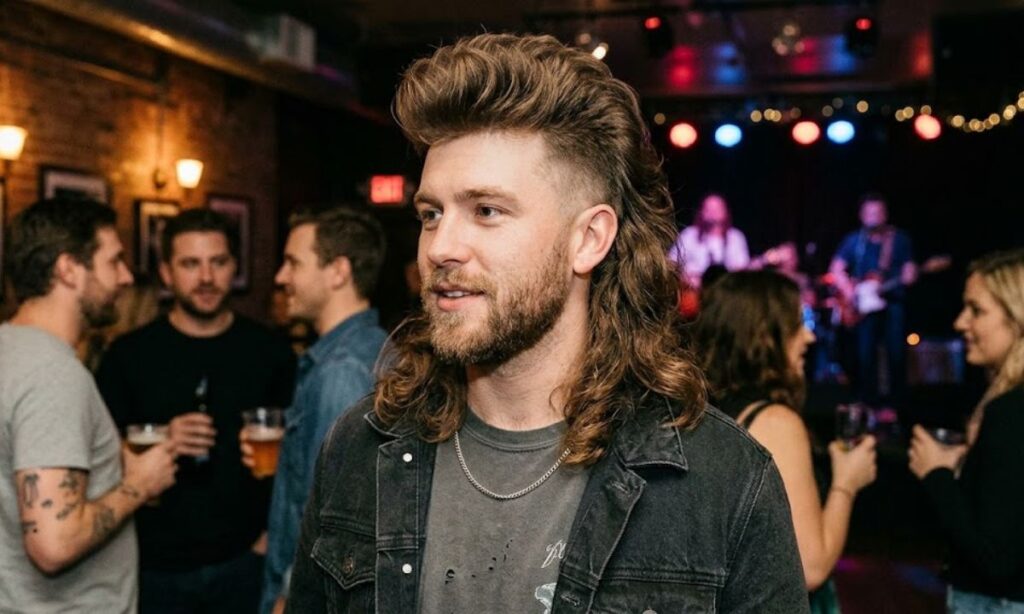
14. Korean Modern Mullet
A neat, soft mullet with feathered layers, a light fringe and a smooth nape. It looks polished rather than wild. The length sits just past the ears. Blow-dry with a round brush to get that gentle inward curve.
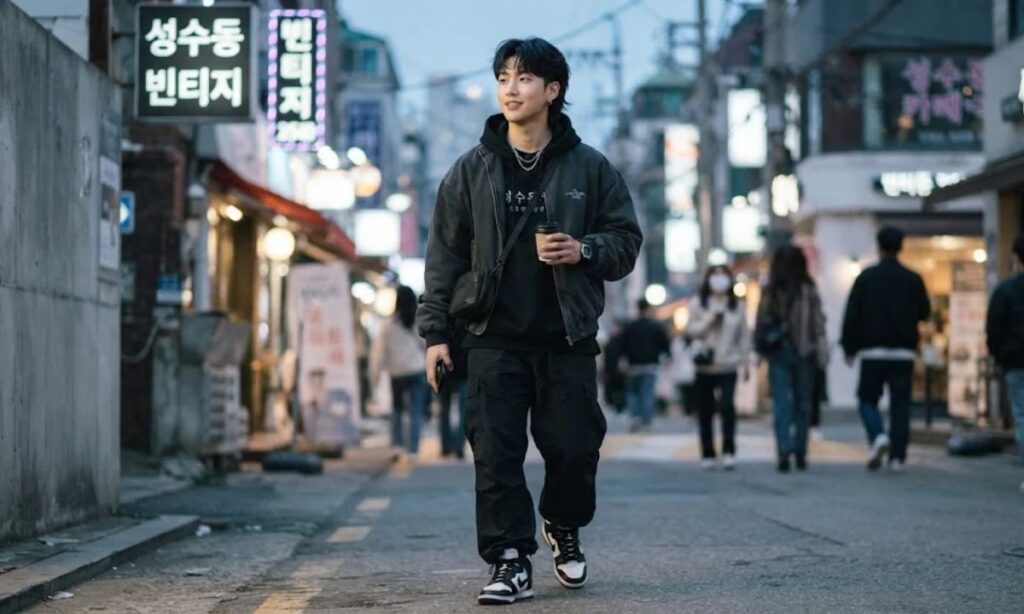
15. Curtain Bangs Mullet
Center-parted bangs frame the face and blend into a short mullet at the back. It softens strong jawlines and balances long faces. Keep the bangs at cheekbone length, and dry them with a brush so they separate neatly.

16. Two-Block Mullet
The sides are cut short while the top keeps length, and the back extends into a small tail. The classic two-block look is polished and very clean. Precision matters because a harsh weight line looks dated, so choose a barber with a steady hand.

17. Idol-Inspired Mullet
This look borrows from K-pop styling: light layers, face-framing strands and often a soft color. It works best with healthy, glossy hair. Use a heat protectant, blow-dry with direction and finish with a shine serum rather than heavy wax.

18. Soft Layered Korean Mullet
Very gentle layers fall into a rounded shape with a lightly feathered back. It is easy to live with and grows out well. Great for anyone who wants the trend without a dramatic change. Air-dry with a little cream for natural movement.

19. Side-Swept Mullet
The fringe sweeps across the forehead while the back stays long and textured. This shape lengthens round faces and softens angular ones. Part your hair on the side with the most natural growth direction, and set it with a light-hold spray.

Edgy & Bold Styles
20. Undercut Mullet
The sides and back of the head are cut very short, and the top and tail stay long. A tight undercut keeps thick hair from swelling at the sides, so it is practical as well as bold. Plan visits every three to four weeks.

21. Disconnected Mullet
The top has a visible break from the sides, with no gradual blend. This gives a graphic, sculpted outline. It suits confident wearers and straight, dense hair. Ask for a clear line that is crisp but not harsh, and use pomade for hold.

22. Burst Fade Mullet
The fade curves around the ear and fades toward the nape, leaving length at the back. It frames the mullet beautifully. It reads as sharp and a bit retro. Because the fade shows growth quickly, plan on frequent tidy-ups.
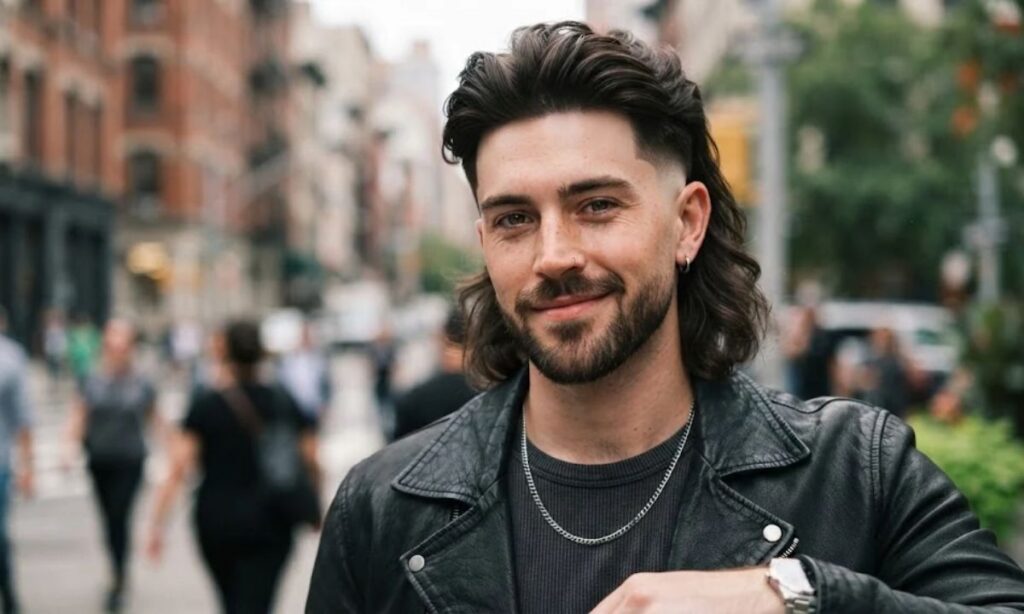
23. Punk Asian Mullet
Short sides, a longer back, bleached or colored tips and plenty of attitude. Spiky tops and razor-cut edges are common. It looks best with damaged-free hair, so condition well after any bleaching. Use strong clay for hold.

24. Spiky Modern Mullet
The top is pushed up into short, sharp spikes while the back stays long. Straight Asian hair holds spikes naturally. Use a firm paste, work it through with the fingers and finish with a blast of hairspray if you want it to last.

25. Razor Cut Mullet
A razor thins and tapers the ends, creating a feathered, light finish. It works best on thick, healthy hair, since razors can fray dry or fine strands. Ask your barber to use it on damp hair, and skip it if your hair frizzes.

26. Mohawk Mullet
Often nicknamed the mullethawk, this style keeps a strip of longer hair down the center and a tail at the back. Sides stay very short. It is loud and fun. Use strong-hold products if you want the center strip standing up.

Styles for Your Hair Type
27. Curly Asian Mullet
Naturally curly hair, or hair with a perm, gives the mullet big texture. Keep the sides tight so the curls do not expand outward. Use curl cream on damp hair and diffuse on low heat. Avoid brushing once it is dry.

28. Wavy Modern Mullet
Wavy hair already has natural movement, so the cut needs fewer layers. Ask for a tapered nape and a medium-length top. Scrunch in a light mousse and let it dry. It is one of the easiest mullets to maintain.

29. Straight Hair Mullet
Straight hair shows every line, which is great for clean cuts but can look flat. Add layers, razor texture or a light perm for lift. Try a texturizing spray at the roots, and finish with matte paste on the ends.

30. Thick Hair Mullet
Thick hair needs thinning, not just trimming. Internal layers remove weight so the shape does not balloon. A tight taper at the sides keeps proportions neat. Use a lightweight cream, because heavy wax adds even more bulk.

31. Thin Hair Mullet
Fine hair looks fuller with a shorter, slightly blunt back and light layers on top. Skip heavy thinning. Blow-dry upward from the roots and use volumizing mousse. A soft perm can add lasting body if styling feels like too much effort.

Color, Length & Design
32. Colored Asian Mullet
Silver, ash brown, copper or bold blue can turn this cut into a statement. Dark hair usually needs bleach first, so expect extra upkeep. Use sulfate-free shampoo and a purple or color-safe conditioner to protect the tone.
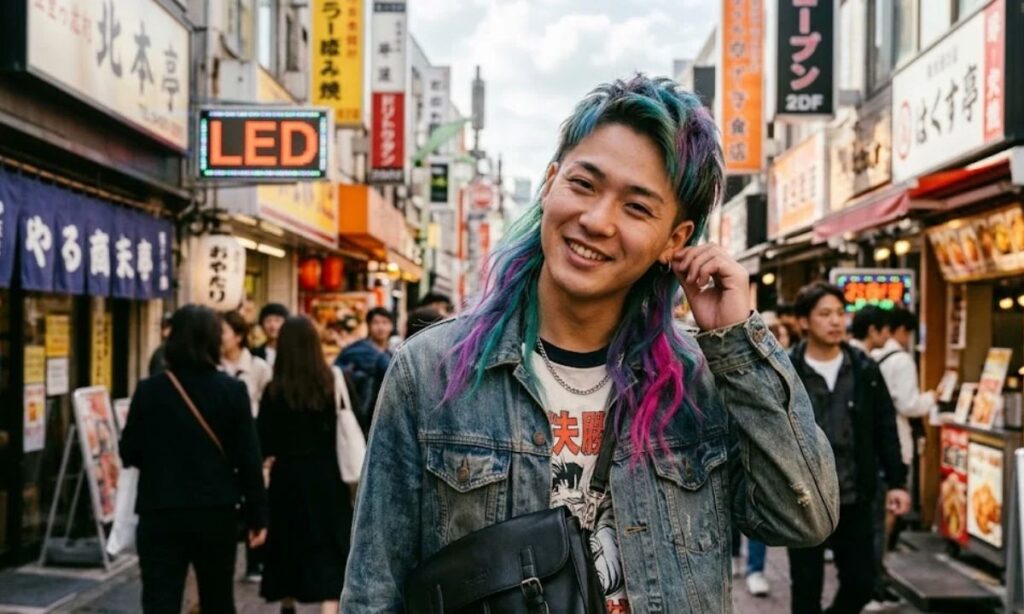
33. Wolf Cut Mullet
A blend of wolf cut layers and mullet length, with plenty of volume on top and a wispy back. Face-framing pieces make it flattering. It works for men and women alike. Style with texture spray and a bit of scrunching.

34. Long Modern Mullet
The back reaches the shoulders or below, while the sides and top stay shorter. It needs patience to grow and regular conditioning. Trim the ends every couple of months to avoid splitting, and tie it back for the gym or work.
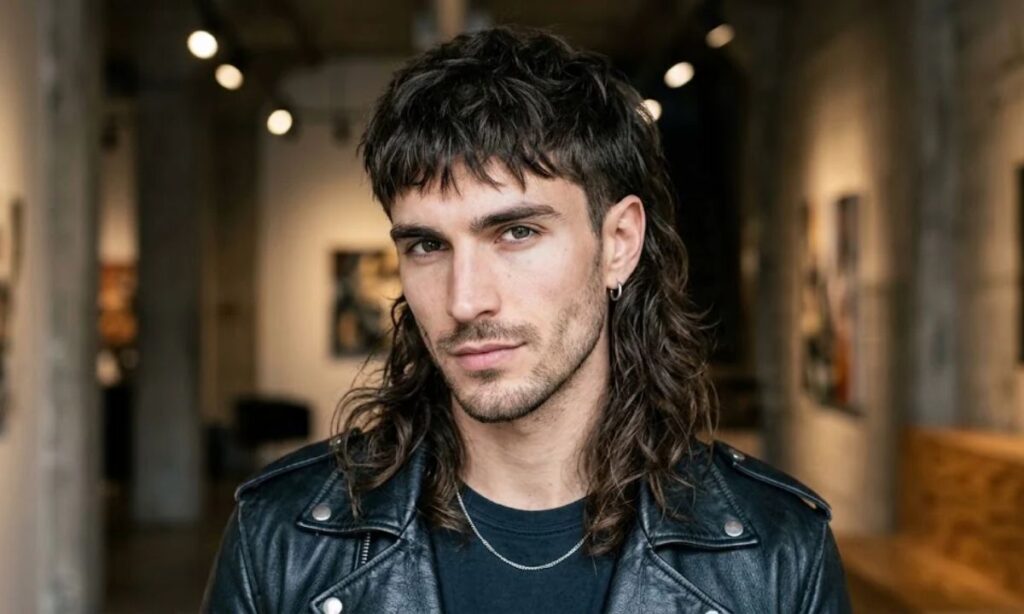
35. Fade with Design Asian Mullet
A clean fade is carved with lines, a part or a small shape on the side. It adds personality without changing the length. Thick, straight hair gives a crisp canvas. Keep the design simple, and refresh the lines every two to three weeks.

Short Asian Modern Mullet for a Low-Maintenance Look
Want the shape without the daily effort? Keep the back just past the collar and ask for a taper on the sides. Add light texture on top so you can style it in a minute.
- Use a small amount of matte clay or paste.
- Choose a cut that dries well on its own.
- Book a trim every four to six weeks.
Mullet Ideas for Boys and Teens
Boys can wear a baby mullet, a low taper mullet or a soft Korean-style layered cut. These suit school rules and still look current.
Check the dress code first, since some schools limit length at the neck. Let the teen choose the shape, and use a light, easy product so styling stays quick.
Asian Mullet Hairstyles for Women
Women often lean toward wolf cuts, shag mullets, curtain bangs and long layered versions. Straight hair works well here because layers and face-framing pieces show clearly.
A pixie mullet with short sides and a wispy back is a great option for anyone who wants something compact. Add a soft color and the look becomes very personal.
How to Style an Asian Modern Mullet
Good styling comes down to three things: shape the roots, define the ends and keep the product light. Dry hair with some direction instead of letting it air-dry flat, then add texture where you want movement.
Pro Tips for the Perfect Look
- Blow-dry the roots first, then the ends.
- Use a pea-sized amount of product and build up slowly.
- Keep the nape neat, since it frames the whole shape.
- Use a texturizing spray on straight hair for grip.
- Wash two or three times a week to avoid greasy roots.
How Women Can Soften the Mullet Shape
- Add curtain bangs or wispy fringe.
- Ask for longer, softer layers at the back.
- Choose a tapered neckline rather than a hard line.
- Try warm tones such as honey, chestnut or soft brown.
- Style with a light wave using a curling iron.
Should You Get an Asian Modern Mullet Perm?
A perm is worth a look if your hair is very straight or flat. It adds volume, helps the back flow and makes styling simpler. A soft wave or loose curl on the top and back works best.
Ask for a gentle perm, not a tight one, and consider a Korean-style or digital perm for looser movement. Chemical treatments can dry hair, so a healthy-hair check with your stylist comes first.
Perm vs. Natural Texture: Which Is Easier to Maintain?
| Factor | Perm | Natural texture |
| Daily styling | Fast, often just cream | Needs blow-drying and product |
| Cost | Salon cost every few months | No extra cost |
| Hair health | Can cause dryness | Stays untouched |
| Volume | Built in | Depends on your density |
| Best for | Flat, very straight hair | Hair with natural body |
Step-by-Step Styling for Everyday Wear
- Wash with shampoo and condition the ends.
- Towel-dry gently until damp, not dripping.
- Apply sea salt spray or mousse to the roots.
- Blow-dry the top upward, then the back downward.
- Warm a small amount of clay in your palms and work it through.
- Pinch the ends for texture and shape the fringe.
- Set with a light-hold spray if you need it to last.
Best Products for Each Hair Type
| Hair type | Product | Why it helps |
| Thick, straight | Matte clay | Controls bulk, no shine |
| Fine, straight | Volumizing mousse, sea salt spray | Adds lift and grip |
| Wavy | Light cream, sea salt spray | Defines waves, little weight |
| Curly or permed | Curl cream, leave-in conditioner | Reduces frizz, keeps bounce |
| Colored or bleached | Color-safe shampoo, bond treatment | Protects the hair |
How to Grow Out and Maintain Your Mullet
Hair grows about half an inch per month, so expect about an inch and a half of extra length at the back in three months. Keep the sides trimmed while you grow, because short sides make the back look longer sooner.
Condition regularly, avoid heavy heat styling and trim only split ends. Patience is the whole plan.
How Often Should You Trim It?
Most barbers suggest every four to six weeks. Fades and undercuts sit at the shorter end, while longer shaggy cuts can stretch a little further.
Common Mullet Mistakes to Avoid
- Skipping layers on thick hair. It turns the shape triangular.
- A harsh weight line. It dates the cut fast.
- Cutting the sides too short too soon. You lose the balance.
- Too much product. Heavy wax weighs down fine hair.
- Ignoring the nape. A messy neckline ruins even a good cut.
- Forgetting your workplace. Check dress code before going bold.
Pro Tips for Getting the Perfect Look
- Pick a barber who has done mullets before and ask to see their work.
- Arrive with clean, product-free hair.
- Take a photo of your style on a good hair day for later reference.
- Give a new cut two weeks before you decide how you feel about it.
What to Tell Your Barber Before the First Cut
Bring two or three photos that show the front, side and back. Then be specific:
- How short you want the sides, and whether you prefer a taper or a fade.
- How long the back should be, for example just past the collar.
- Whether you want layers, razor texture or blunt ends.
- How much time you will spend styling each morning.
A simple line works: I want a modern mullet with a low taper, soft layers on top and the back at collar length.
Frequently Asked Questions
What is an Asian modern mullet?
It is a mullet with shorter sides and a longer back, blended with fades or layers for a smooth, modern shape. It is tuned to suit straight, dense Asian hair.
Is the mullet still in style in 2026?
Yes. The 2026 version is neater and more tailored, with soft layers and clean tapers.
Does a mullet work on straight Asian hair?
Yes. Straight hair holds fades and layers well, though fine strands may need texture spray or a light perm.
How long should my hair be for a mullet?
About three to four inches on top and enough at the back to reach your collar. Shorter lengths work for a baby mullet.
What is the best fade for an Asian mullet?
A low or mid taper fade is the most versatile. High fades give more contrast but need more upkeep.
Should I get a perm with my mullet?
It helps if your hair is flat or very straight. A soft, loose perm is usually the safest choice.
How often should I trim a mullet?
Every four to six weeks keeps the shape sharp. Fades may need visits closer to four.
Can women wear Asian modern mullets?
Yes. Wolf cuts, shag mullets and curtain bangs are popular with women.
Final Thought
Asian modern mullets are a bold and stylish choice for 2026. They bring edge, texture, and movement to straight, thick hair. The cut is easy to shape and fun to style. You can keep it soft or go sharp and loud. Every look in this guide shows how flexible this haircut can be. Pick one that fits your face and your daily life. Small changes can make it feel new.
Great hair starts with a good barber. Show your photos and explain what you want. Keep your cut fresh with a trim every six weeks. Use light products to add shape without weight. Care for your scalp and keep your hair healthy. Confidence is the best part of any style. Wear your mullet with pride. Now it is your turn to try it. Book that appointment and enjoy the change.

Owen Blake is a fashion writer and style enthusiast contributing to Faxhion Megazine. With a focus on fashion trends, personal style, seasonal looks, and practical styling ideas, Owen creates clear, reader friendly content. His work combines trend awareness, careful research, and an interest in helping readers make confident, informed fashion choices.